Logistics - First Class!
(904) 549-6950
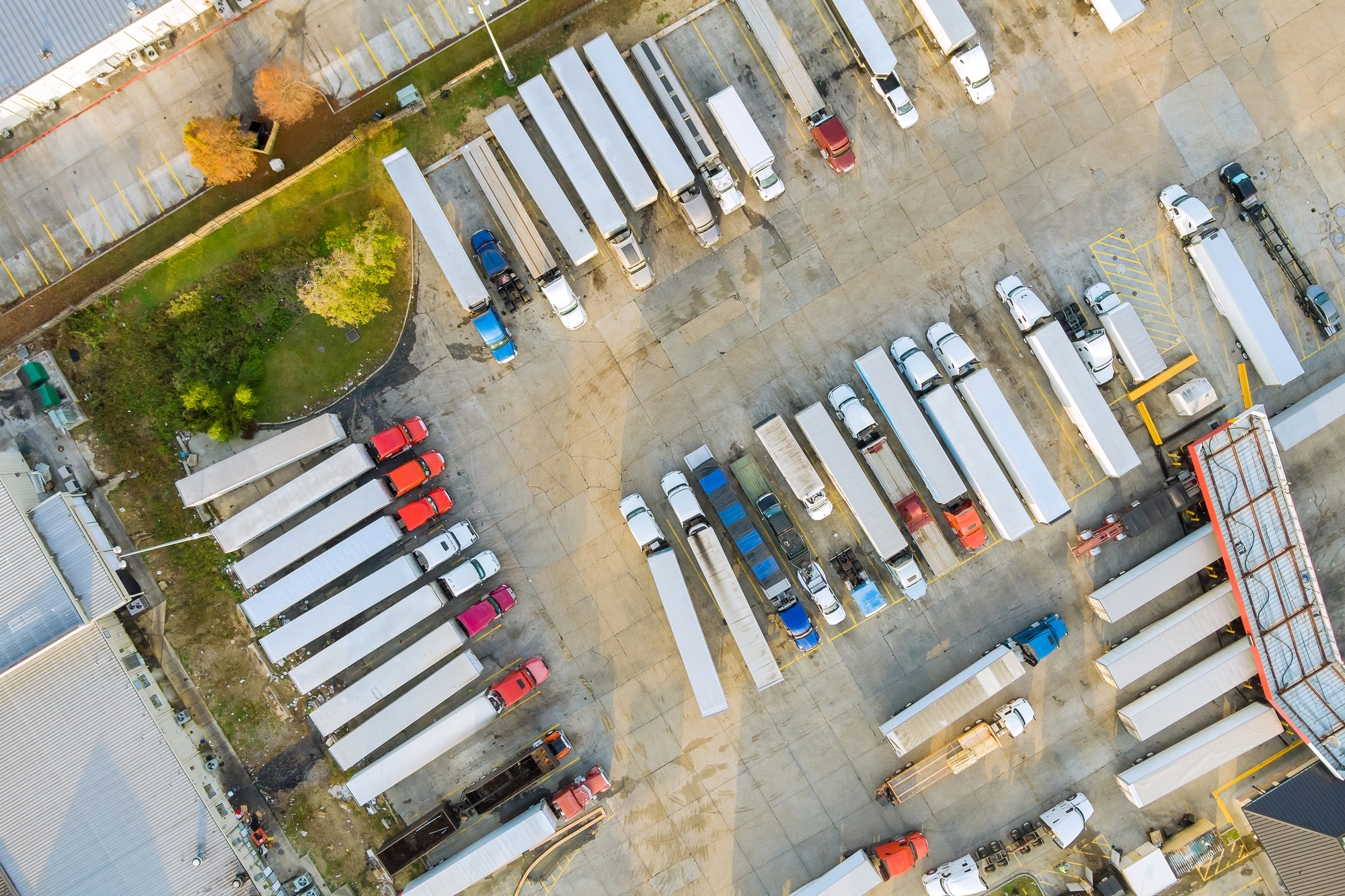
A container arriving at port does not mean the clock stops; in fact, several clocks may start ticking at once!
Importers can encounter demurrage, detention, and per diem charges when containers or equipment remain in use beyond the allowed free time. The terms are often used interchangeably in conversation, but they refer to different parts of the container journey.
Understanding which charge applies, when it begins, and what causes it can make it much easier to build a transportation plan that keeps freight moving before extra fees begin stacking up.
Demurrage generally applies when an import container remains at the marine terminal beyond its allotted free time.
Once a container becomes available for pickup, the terminal typically allows a certain number of free days. If the container is not removed within that window, demurrage charges may begin accumulating.
That means a container can become expensive before it ever leaves the port.
Common causes include:
America 1 Logistics discusses several of these scenarios in Why Containers Get Stuck at the Port and How to Prevent It, including the importance of scheduling drayage early and preparing the next step before the freight arrives.
For Jacksonville imports, working with an experienced intermodal drayage provider can help coordinate container pickup from JAXPORT and nearby terminals before free time expires. America 1 provides local and regional drayage as well as service for reefer, overweight, rail, and HAZMAT containers.
Detention generally occurs after the container has left the terminal.
The equipment is now outside the port, but the importer still has a limited amount of time to unload it and return the empty container.
If the container is held too long, additional charges may apply.
For example, imagine a container is pulled from JAXPORT on time, but the receiving warehouse cannot unload it for several days. The importer may avoid demurrage at the terminal but still create another cost problem because the container cannot be returned within the required timeframe.
That is why the plan after port pickup matters just as much as the pickup itself.
We explain several post-port options in What Happens After a Container Leaves JAXPORT?, including direct delivery, temporary storage, transloading, and long-haul transportation.
Per diem literally means "per day," and in container logistics it generally refers to daily equipment-use charges after the allowed free period expires.
Depending on the carrier and contract, per diem may be used in connection with detention or other container and chassis usage charges.
The important point for importers is that equipment has to keep moving.
Holding an ocean container or chassis longer than necessary can create daily costs even when the freight itself is safely sitting at a warehouse or customer facility.
Chassis availability can complicate that timeline too. In Your Container Is Available, but There Is No Chassis. What Happens Next?, America 1 explains how equipment shortages can delay container movement even after cargo is technically ready for pickup.
Think about where the container is and who is waiting for it back. Demurrage usually involves a container sitting at the terminal too long.
Detention generally involves keeping the container outside the terminal beyond the allowed free period.
Per diem is a daily equipment charge that may apply when containers or chassis remain in use longer than permitted.
Exact terminology and billing rules can vary by ocean carrier, terminal, equipment provider, and contract, so importers should always confirm the terms that apply to a specific shipment.
The best strategy starts before the vessel arrives.
A few days of planning can be much cheaper than a few days of unexpected equipment charges.
Importers should know:
If the receiver is not ready, moving the container to secure container storage may provide a temporary staging option instead of leaving freight at the terminal. America 1 offers short-term and longer-term storage near major Southeast ports, including shore power for refrigerated containers.
Our article Your Freight Arrived Early. Where Does It Go Until the Customer Is Ready? looks specifically at using short-term storage to bridge the gap between port availability and a customer's delivery schedule.
Sometimes the best way to reduce equipment exposure is to get the cargo out of the ocean container altogether.
With transloading and cross-docking services, freight can be removed from an import container and transferred into a domestic trailer for the next stage of transportation.
That allows the ocean container to be returned while the freight continues inland.
This can be particularly useful when the cargo has a long journey ahead or the customer is not ready to receive the ocean container directly. America 1 notes that transloading near JAXPORT can help importers move freight into 53-foot trailers while reducing exposure to container per diem charges.
Demurrage, detention, and per diem are different charges, but they often point back to the same problem: freight or equipment stayed in one place longer than planned.
A strong import strategy should account for more than vessel arrival. Drayage, chassis availability, receiving appointments, storage, unloading, container returns, and inland transportation all affect how quickly the equipment can complete its cycle.
America 1 Logistics coordinates drayage, secure storage, transloading, and over-the-road transportation to help importers plan the full move from the port to the next destination.
No. Demurrage generally relates to containers remaining at the terminal beyond free time, while detention generally applies after the container leaves the terminal and is not returned within the allowed period.
Yes. Per diem refers to a daily charge associated with using equipment beyond the allowed free period, although specific rules vary by carrier and equipment provider.
It can help in certain situations. Pulling a container before terminal free time expires and staging it at a nearby facility may reduce exposure to terminal charges when the final receiver is not yet ready.