Logistics - First Class!
(904) 549-6950
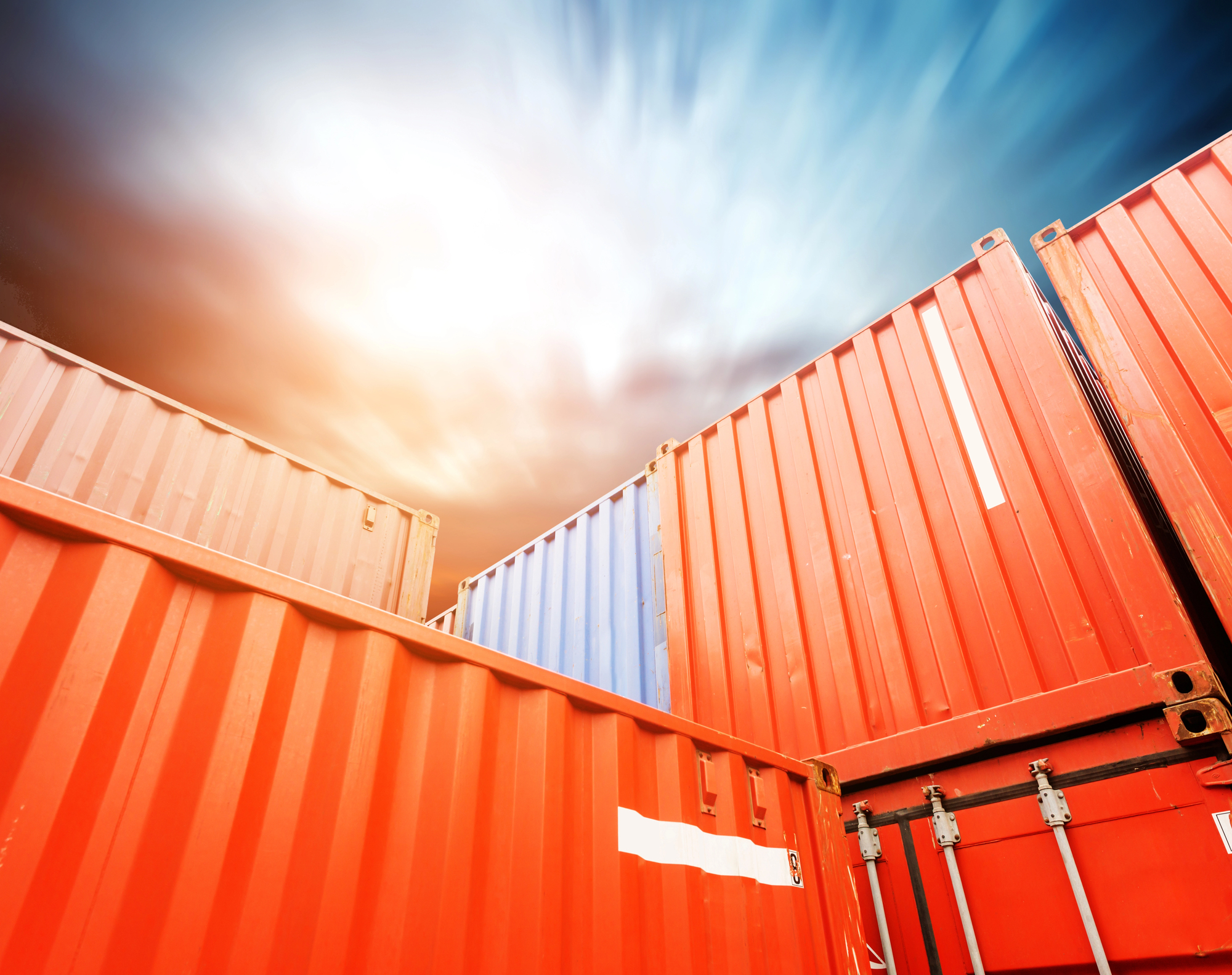
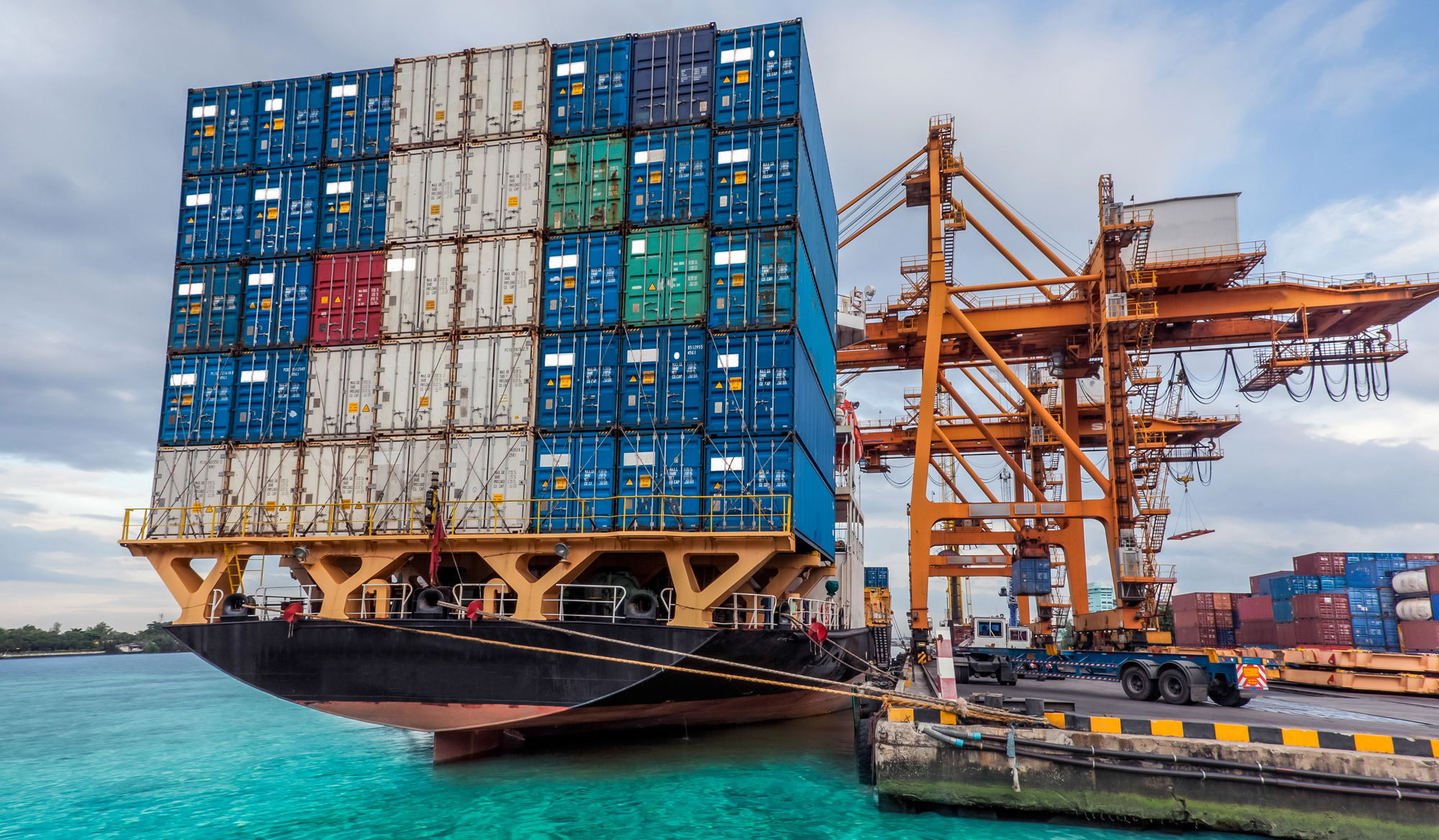
When a shipping container arrives at the port, every day it sits idle can increase costs and delay deliveries.
Whether you're importing raw materials or finished products, port delays can disrupt inventory levels, impact customer satisfaction, and create unnecessary storage fees. Understanding why containers get stuck at the port is the first step toward preventing these costly setbacks.
Shipping containers can be delayed for several reasons, including incomplete documentation, customs inspections, port congestion, equipment shortages, or delays in arranging drayage transportation. Working with an experienced logistics provider and planning ahead can help minimize these issues and keep freight moving.
While every shipment is different, many port delays stem from operational or administrative issues. Missing paperwork, incorrect shipping information, or customs holds can prevent containers from being released on time. During periods of high cargo volume, congestion at the port may also slow container processing and pickup.
In some cases, containers remain at the port simply because transportation hasn't been scheduled quickly enough after arrival.
Once a container is available for pickup, acting quickly is essential. The longer it remains at the port, the greater the risk of storage charges, demurrage fees, and delivery delays.
Reliable Intermodal Drayage services help move containers from the port to warehouses, distribution centers, or transloading facilities as soon as they're released, reducing unnecessary downtime and keeping your supply chain on schedule.
While not every delay can be avoided, businesses can reduce their risk by taking a proactive approach. Some of the most effective strategies include:
Planning ahead gives businesses more flexibility when unexpected challenges arise.
Port logistics involve more than simply picking up a container. Coordinating transportation, storage, transloading, and final delivery requires careful planning and communication.
Working with one provider that offers Intermodal Drayage, Over-the-Road Trucking, Transloading & Cross-Docking, and Storage & Security simplifies the process while reducing delays between each stage of the shipment.
Demurrage refers to fees charged when a shipping container remains at the port longer than the allotted free time.
While businesses can't control congestion, planning ahead, scheduling transportation early, and working with an experienced logistics provider can help minimize delays.
Depending on the shipment, containers may be transported directly to a customer, moved to a warehouse, transferred through a cross-docking facility, or delivered to a transloading operation.
Containers become delayed at the port for many reasons, but careful planning and experienced logistics coordination can help reduce disruptions. Fast container pickup, accurate documentation, and dependable transportation all play an important role in keeping freight moving efficiently.
America 1 Logistics provides Intermodal Drayage, Over-the-Road Trucking, Transloading & Cross-Docking, and Storage & Security solutions that help businesses move freight quickly and efficiently from the port to its final destination.