Logistics - First Class!
(904) 549-6950
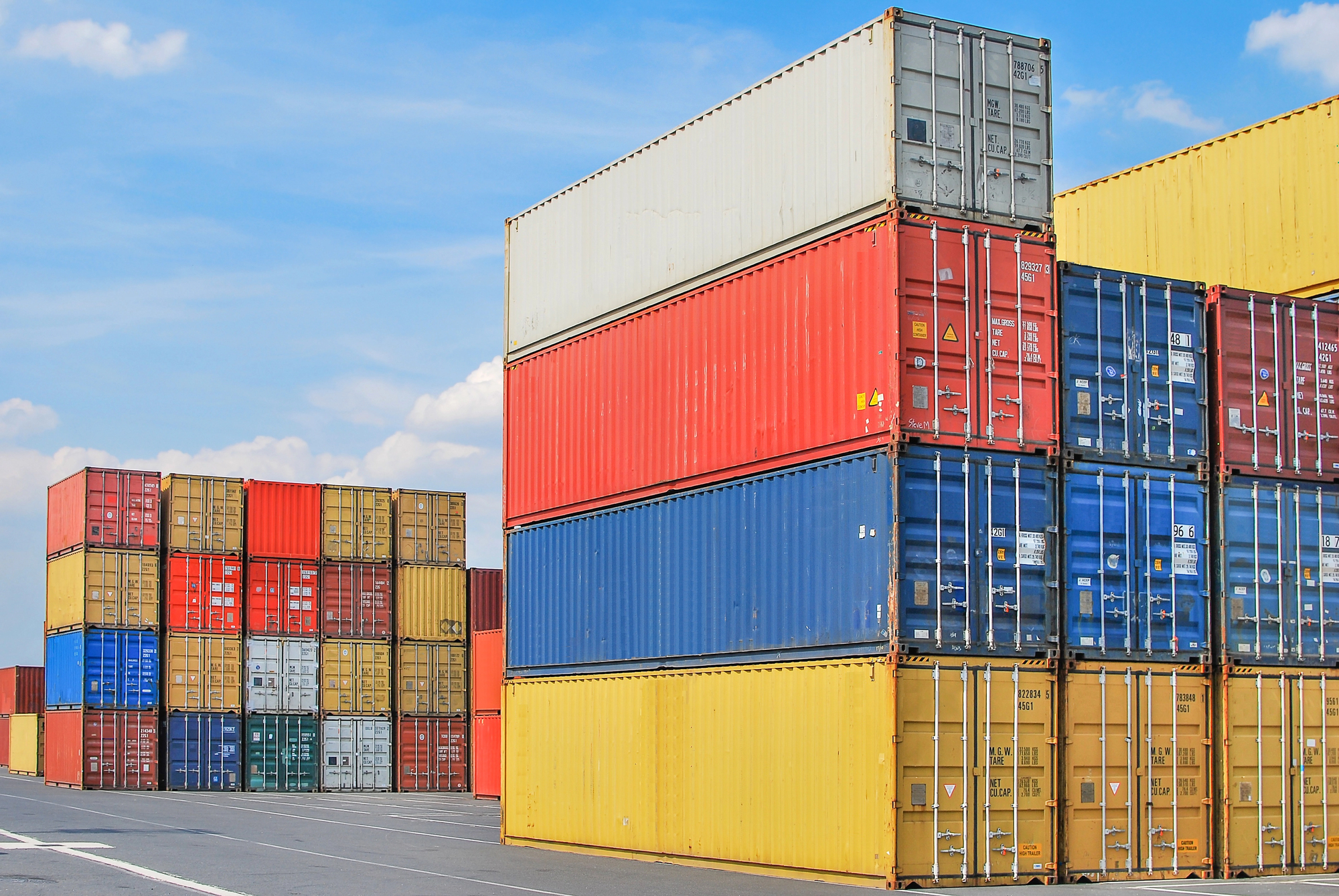
Your container has cleared the terminal and is finally on a truck. It might feel like the complicated part is over, but pulling a container from JAXPORT is often just the beginning of its inland journey.
Depending on the shipment, that container may head directly to a nearby warehouse, stop at a secure yard, move through a transloading facility, or connect with long-haul transportation to another state.
What happens next depends on where the freight needs to go, how quickly it's needed, and whether keeping it in the ocean container makes sense.
Here's a look at what can happen after a container leaves JAXPORT.
The first move is typically drayage, the short-distance transportation of an ocean container between a port and another logistics facility.
Getting through the terminal requires more than simply sending a truck. JAXPORT requires drivers entering restricted cargo areas to have proof of business purpose and the appropriate identification and access credentials, including a valid TWIC or TWIC escort.
America 1 Logistics provides local and regional drayage throughout the Jacksonville area, including service between JAXPORT and area warehouses, depots, rail facilities, and other destinations. Its fleet can also handle reefer containers, overweight containers, rail boxes, and HAZMAT freight.
Once the container clears the gate, several paths are possible.
For a straightforward shipment, the container may travel directly from JAXPORT to a warehouse, distribution center, manufacturing facility, or other destination.
This can minimize additional handling, but the receiving location needs to be ready.
Delivery appointments, unloading capabilities, operating hours, and available space should ideally be confirmed before the container leaves the port. A truck arriving before a facility can accept the freight can create unnecessary waiting time and complicate the container's return.
Sometimes the container is available before the customer is ready for it.
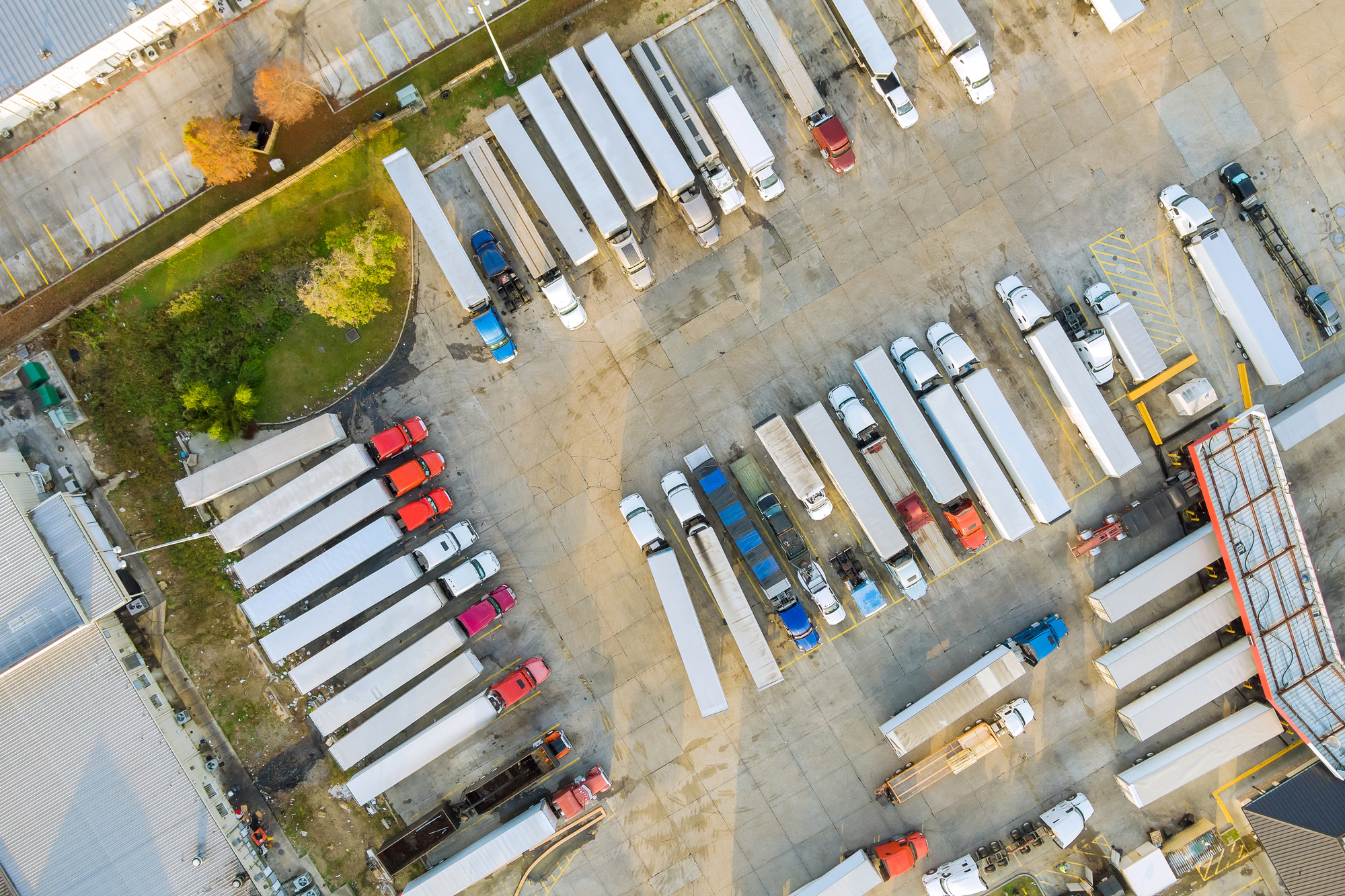
Rather than leaving the freight at the port, the container can be pulled and staged at a secure yard until the next step in the supply chain is ready.
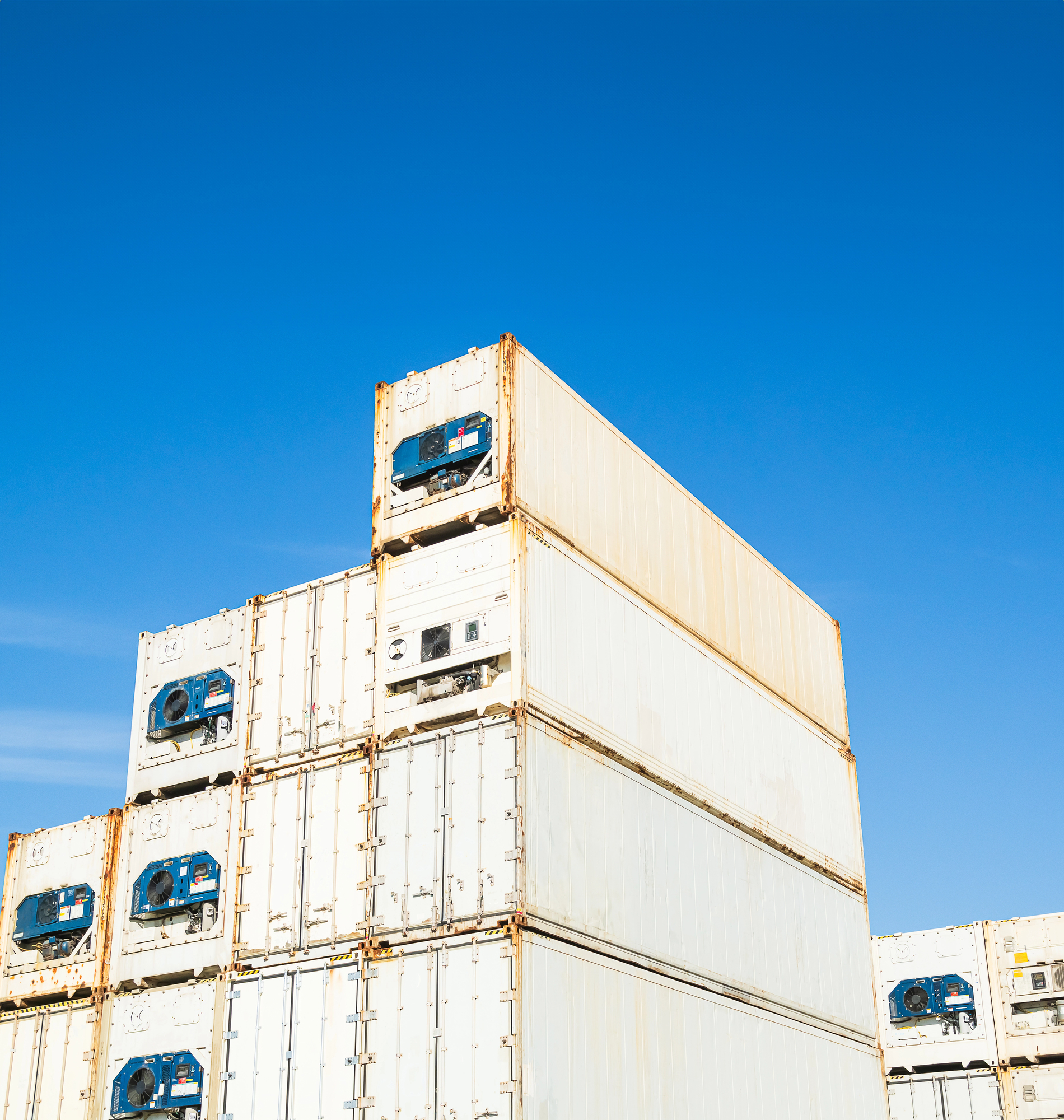
America 1 offers short-term staging and longer-term storage at secured facilities near JAXPORT. Its Jacksonville storage options include monitored, access-controlled yards as well as shore power for refrigerated containers that need to remain powered while staged.
This can give importers more flexibility when vessel schedules and warehouse schedules don't line up perfectly.
An ocean container doesn't necessarily need to make the entire inland journey.
If freight is traveling farther into Florida or across the Southeast, it may make sense to take the container to a nearby facility, unload the cargo, and transfer it into a domestic trailer.
America 1 provides transloading near JAXPORT, including transferring freight from ocean containers into 53-foot trailers.
This can be useful when the ocean container needs to be returned while the cargo still has a long way to travel. It can also allow freight to be reorganized or prepared for the next stage of distribution.
Not every shipment needs to sit in a warehouse.
With cross-docking, incoming freight can be unloaded, sorted, and moved directly onto outbound trucks rather than being placed into long-term storage.
This can be especially useful when one container includes products destined for several locations. Instead of sending the entire container to one warehouse, freight can be separated and routed toward different customers, stores, or distribution points.
America 1 combines cross-docking with supporting drayage, allowing the port move and freight transfer to work as part of the same transportation plan.
Sometimes Jacksonville is only the gateway. After the container is pulled and the cargo is transloaded, freight may continue hundreds or thousands of miles by truck.
America 1 provides over-the-road and long-haul transportation to all 48 contiguous states, including 53-foot vented vans and temperature-controlled reefers.
Coordinating the drayage and inland transportation ahead of arrival helps prevent the freight from getting caught between stages.
The best time to decide what happens after a container leaves JAXPORT is before the vessel arrives.
Shippers should already know whether the container will go directly to its destination, require temporary storage, be transloaded, or continue through another transportation mode.
That plan becomes even more important for overweight, refrigerated, HAZMAT, or time-sensitive cargo.
Yes. America 1's storage facilities offer shore power for reefer containers, allowing temperature-controlled containers to remain powered while staged.
No. Freight can be transloaded from an ocean container into a domestic trailer when that makes more sense for the next stage of transportation.
Yes. America 1 provides long-haul transportation throughout the 48 contiguous states in addition to its Jacksonville drayage operations.
Pulling the container from JAXPORT is only one link in the chain. America 1 Logistics can coordinate the next steps with drayage, secure storage, transloading, cross-docking, and long-haul transportation from its Jacksonville operation near the port.