Logistics - First Class!
(904) 549-6950
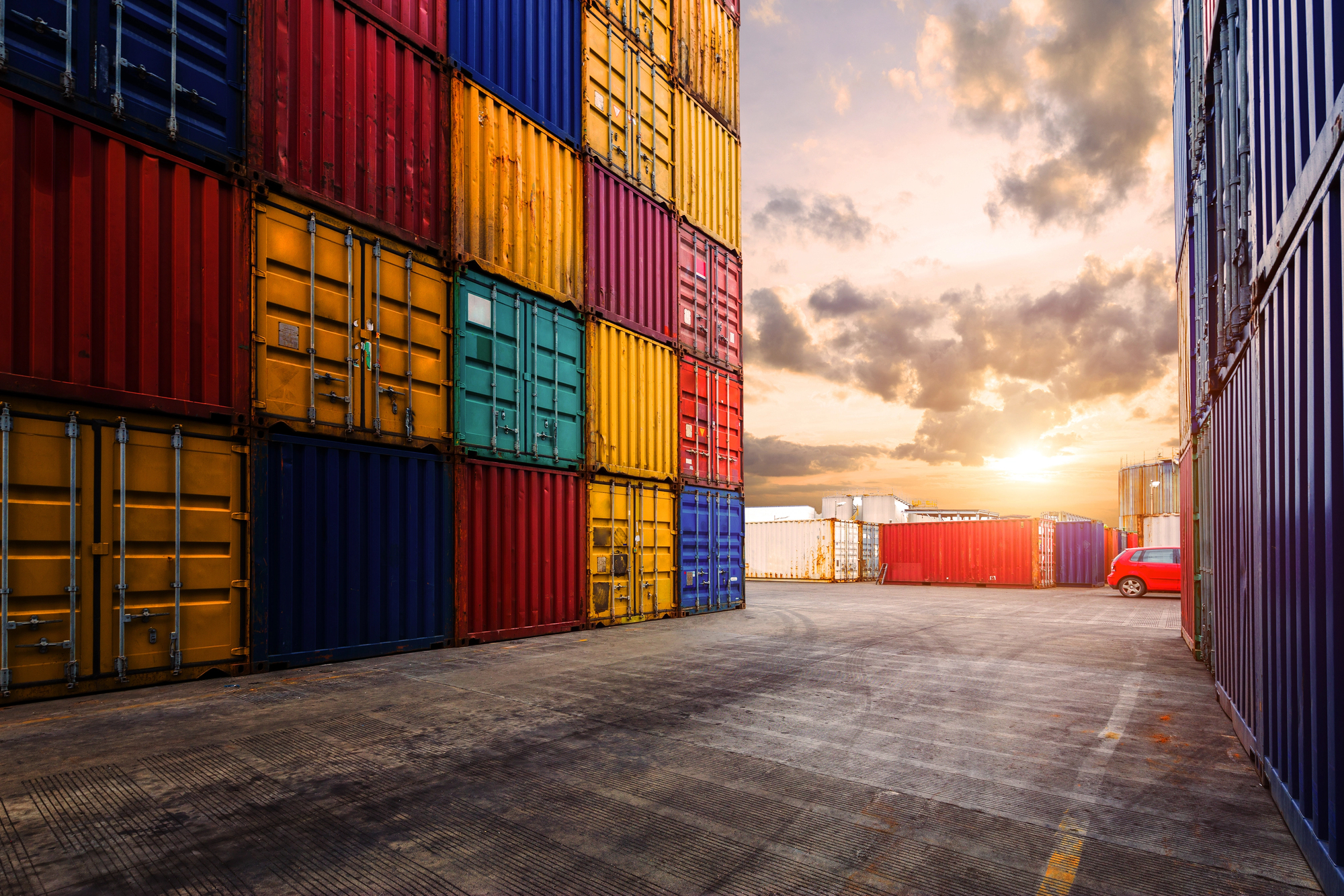
Your container has cleared the terminal. The customer is expecting delivery. The driver is ready to retrieve it.
There is just one problem: no chassis is available.
Without a chassis, the container cannot be mounted behind the truck and transported away from the port or rail terminal. That means the shipment may remain at the terminal until suitable equipment becomes available, potentially disrupting the delivery appointment and the rest of the transportation plan.
That’s why quick communication between the shipper, drayage provider, terminal, and receiving facility is essential! The next step is to confirm whether another chassis source is available, determine how the delay affects scheduled appointments, and create a backup plan for the container once it can be retrieved.
A chassis is the wheeled frame used to transport an ocean or rail container by truck. The container is placed on top of the chassis and secured before leaving the terminal.
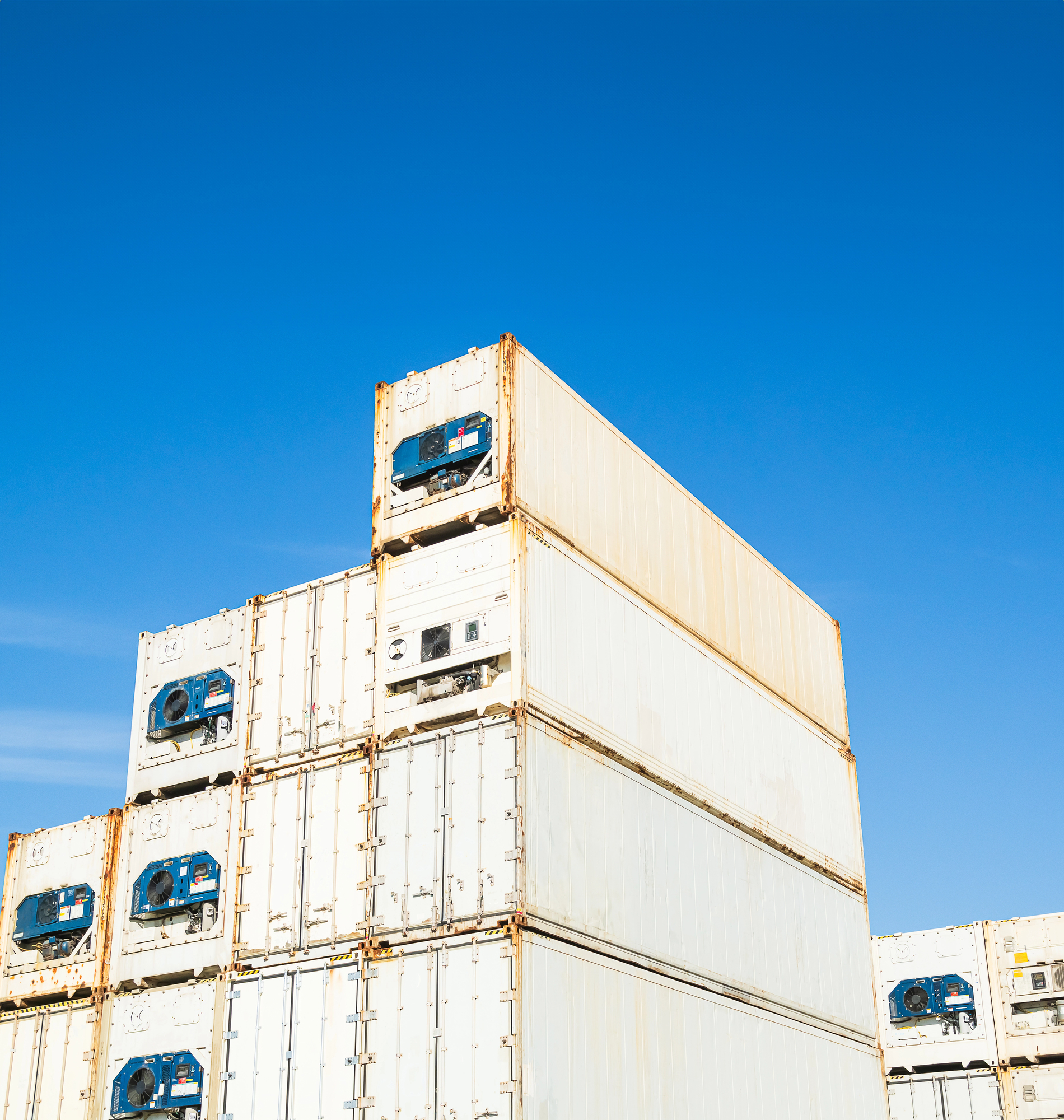
The equipment must match the container’s size, weight, and transportation requirements. A standard container, overweight load, or refrigerated container may require a different chassis setup or supporting equipment.
Container availability and chassis availability are two separate things. A terminal may release the container for pickup, but the driver still needs the correct chassis before the move can happen.
Chassis shortages can occur when too many containers become available within a short period or when equipment is sitting beneath containers elsewhere in the supply chain.
A chassis may also be unavailable because:
The problem may last only a few hours, or it may affect the shipment’s original delivery date. The drayage provider needs current information before deciding how to proceed.
In some situations, the driver may be able to obtain a compatible chassis from another terminal, depot, or private source. That depends on equipment availability, interchange rules, terminal procedures, and the container’s specific requirements.
This is not always a simple swap. Retrieving equipment from another location may add travel time, require additional coordination, or affect the original appointment.
For overweight containers, the options may be narrower. The shipment may require equipment designed for the weight, along with proper permits and an approved route. Substituting a standard chassis could create a safety or compliance problem.
A drayage provider should verify that the alternate equipment is appropriate before attempting the pickup.
A chassis delay can quickly become a scheduling problem…
The warehouse or customer may have reserved a specific receiving time, labor may already be waiting, and another delivery may be scheduled immediately afterward. If the container cannot leave the terminal, those plans may need to change.
The shipper or transportation provider should notify the receiving facility as soon as the delay is confirmed. Waiting until the original appointment time makes rescheduling more difficult and may result in unnecessary labor or driver costs.
The revised plan should answer three questions:
If the original receiver cannot accommodate the new timing, temporary container storage or transloading may become part of the solution after the container is retrieved.
A delay may expose the shipment to additional charges, but responsibility and billing depend on the circumstances, contracts, and applicable terminal or carrier rules.
A container that remains at the terminal may move closer to the end of its free-time period. Rescheduled delivery appointments, extra equipment moves, driver wait time, or storage may also affect the final cost.
Document the timeline carefully. Record when the container became available, when pickup was attempted, what equipment was unavailable, and how the terminal or equipment provider responded. This information may be important if a charge is questioned later.
The Federal Maritime Commission regulates certain detention and demurrage billing practices, but each situation should be reviewed using the applicable invoice, contract, and documentation.
A shipper cannot control the entire equipment pool, but better planning can reduce last-minute surprises.
Before the container becomes available, provide the drayage company with the terminal, container size, cargo weight, delivery address, estimated availability date, and any special handling requirements. Overweight, reefer, and HAZMAT shipments should be identified immediately.
The transportation plan should also include:
These details give the drayage team more time to confirm equipment and respond if the original plan changes.
A container marked “available” is not necessarily ready to move. The correct chassis, driver, terminal appointment, delivery plan, and receiving window all need to line up.
America 1 Logistics provides intermodal drayage services for standard, reefer, overweight, HAZMAT, and rail container moves throughout its Southeast network. The team can also coordinate secured storage, transloading, cross-docking, and continued transportation when the next step requires more than a terminal pickup.
Contact America 1 Logistics with your terminal, container type, cargo weight, availability date, and delivery information to begin planning your move.
No. A standard drayage truck needs a compatible chassis to transport an ocean or rail container over the road. The chassis must also be appropriate for the container’s size, weight, and cargo requirements.
Not always. The container may be released by the terminal, but pickup can still depend on chassis availability, driver availability, terminal appointments, customs status, documentation, and other operating requirements.
The drayage provider should communicate with the shipper and any involved equipment or terminal contacts. The receiving warehouse or customer should also be notified quickly if the chassis problem could affect the delivery appointment.