Logistics - First Class!
(904) 549-6950
An early shipment sounds like a good problem to have until the freight is ready for delivery and the customer isn't.
Maybe a container clears the port several days ahead of schedule. A construction site isn't ready for its materials. Warehouse space hasn't opened up yet. Or the receiving appointment is still days away.
When freight and receiving schedules don't line up, shippers need somewhere secure to bridge the gap. That's where short-term freight and container storage can become an important part of the transportation plan.
Supply chains rarely operate on perfectly synchronized schedules.
Vessel arrivals can change. Production may finish earlier than expected. A truck can make better time than anticipated, while the destination may be dealing with its own delays.
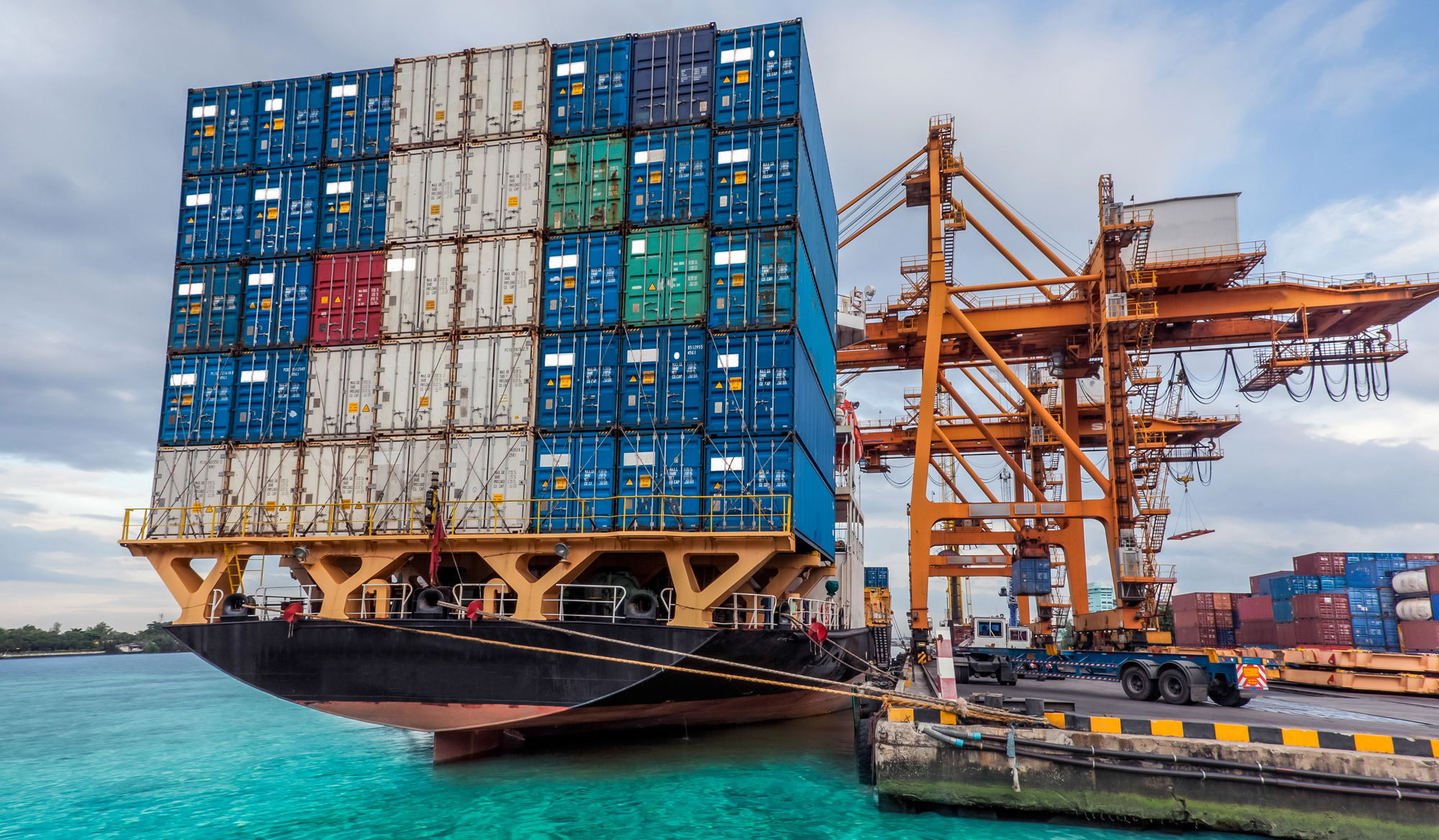
For imported freight, the timing can be particularly tricky. Once a container becomes available at the port, leaving it there while waiting for the final destination can lead to additional terminal charges.
Pulling the container and moving it to a nearby storage facility can give the shipper more control over what happens next.
Not every storage need requires putting freight into a warehouse for weeks or months.
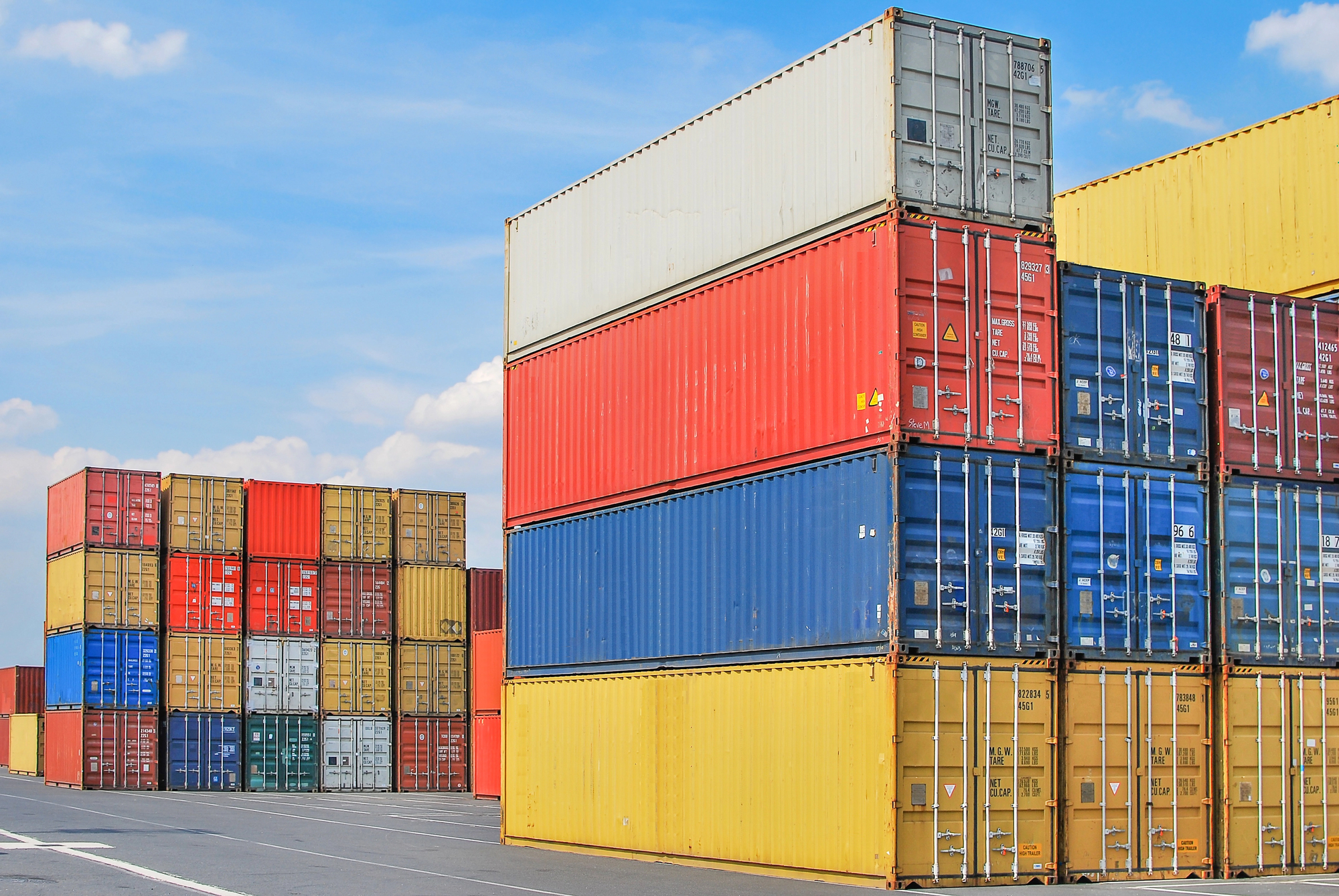
Sometimes you simply need a secure place for a container, trailer, or cargo to sit until the receiving location is ready.
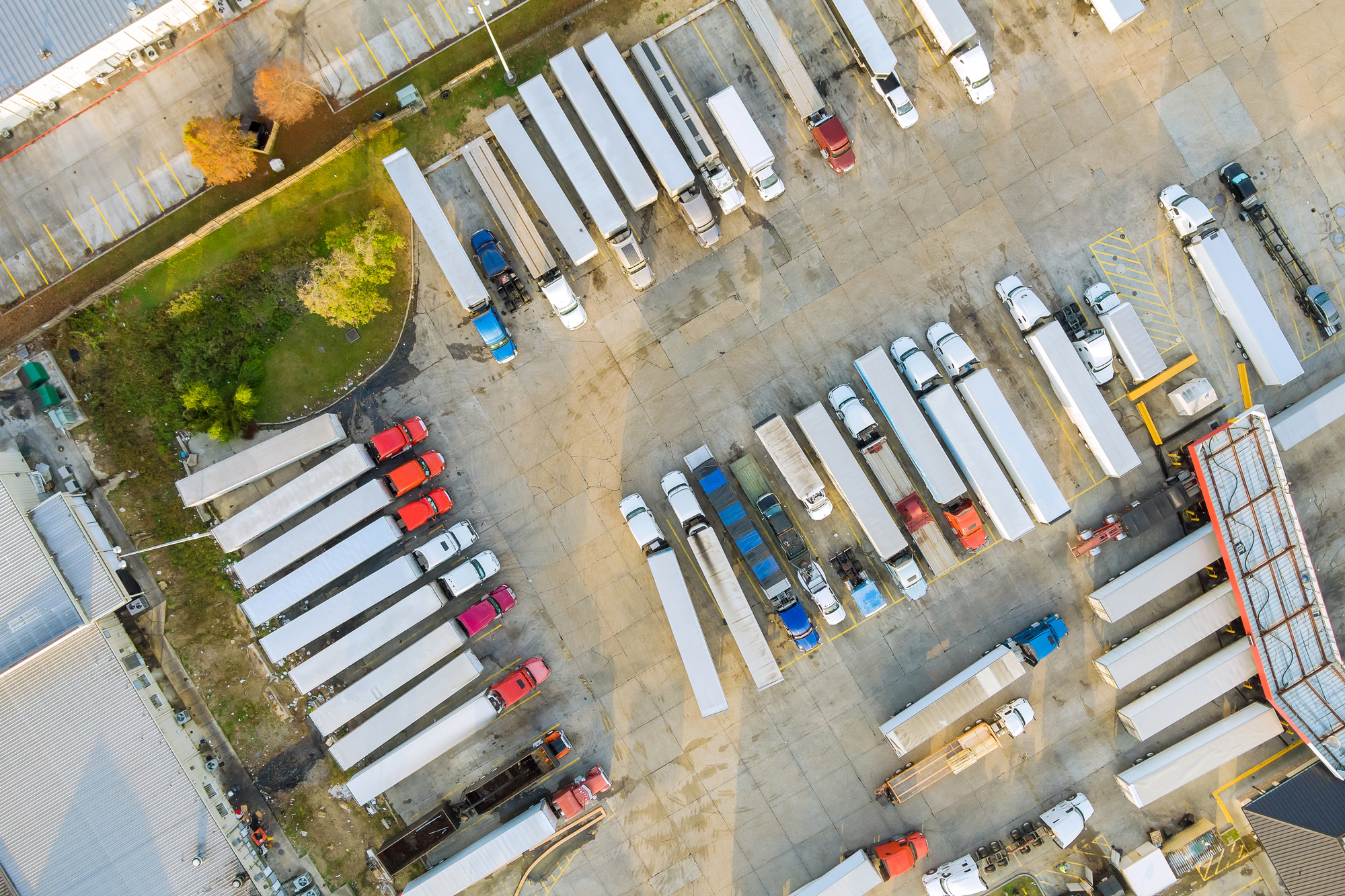
America 1 Logistics offers short-term staging as well as longer-term storage at secured facilities near major Southeast ports, including JAXPORT. Its Jacksonville operation includes fenced, gated, and monitored storage options for containers and freight.
This creates a buffer between the arrival schedule and the customer's delivery schedule without forcing the next step before everyone is ready.
An early arrival becomes more complicated when the container can't simply sit in a yard.
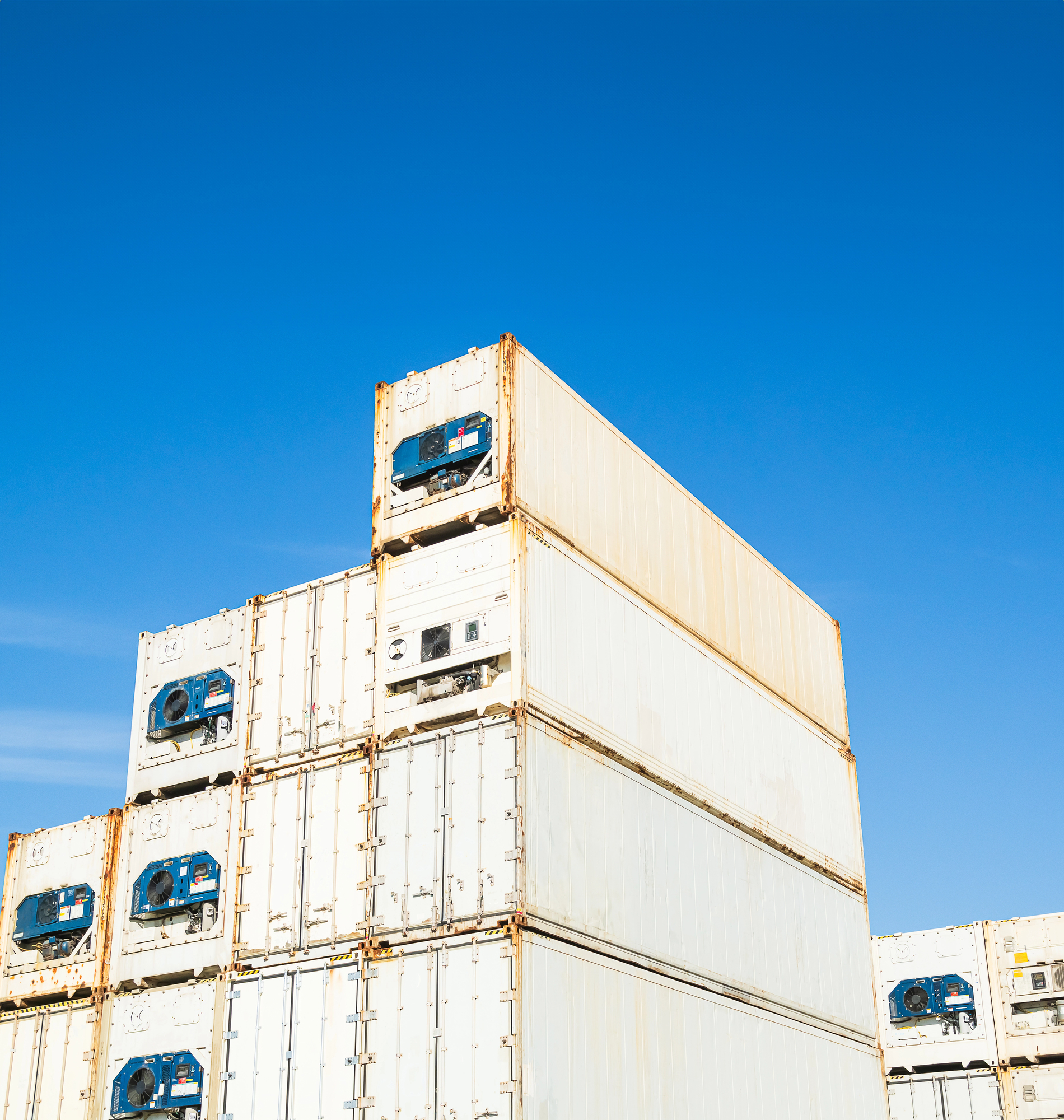
Refrigerated containers need to maintain appropriate temperatures while they're waiting for the next move. That may require access to shore power so the reefer unit can remain operational while staged.
America 1 offers shore power for refrigerated containers at its storage facilities, allowing reefer cargo to remain powered while awaiting delivery or the next stage of transportation.
For temperature-sensitive shipments, arranging this before the container arrives is particularly important. A storage yard with an open space isn't necessarily equipped to handle a reefer.
No. Depending on the situation, an early arrival can also create an opportunity to rethink the next move.
America 1 provides transloading and cross-docking services that allow freight to be transferred from an ocean container into domestic equipment or prepared for outbound distribution.
For example, an importer may need to return the ocean container but isn't ready to make final deliveries. The cargo could potentially be transloaded and staged separately rather than keeping the original container tied up.
The right approach depends on the cargo, timeline, destination, and transportation plan.
If there's a chance your freight could arrive before the customer is ready, don't wait until the container is already available to figure out where it can go.
Before arrival, confirm:
Having these details in place gives you options when arrival and delivery dates don't cooperate.
That depends on the facility and shipment. Short-term staging may cover a brief scheduling gap, while longer storage arrangements can be made when freight needs to wait for an extended period.
Storage requirements should be discussed before arrival, particularly for overweight, refrigerated, HAZMAT, or other specialized freight. The facility needs to confirm it has the space and capabilities for the specific container or cargo.
No. Temporary storage can help whenever there's a gap between transportation and delivery, including domestic freight, equipment, trailers, and other cargo that can't immediately move to its final destination.
An early arrival doesn't have to turn into a logistics scramble. With drayage, secure storage, transloading, cross-docking, and long-haul transportation available through America 1 Logistics, shippers can build flexibility into the journey between the port and final delivery.