Logistics - First Class!
(904) 549-6950
Refrigerated cargo does not get to take a break just because the next step in the supply chain is not ready.
If a reefer container leaves the port but cannot immediately continue to its destination, the refrigeration unit still needs a dependable power source. Produce, frozen foods, seafood, pharmaceuticals, and other temperature-sensitive products may only have a narrow acceptable temperature range, making an unexpected delay more than an inconvenience.
That is where reefer shore power comes in!
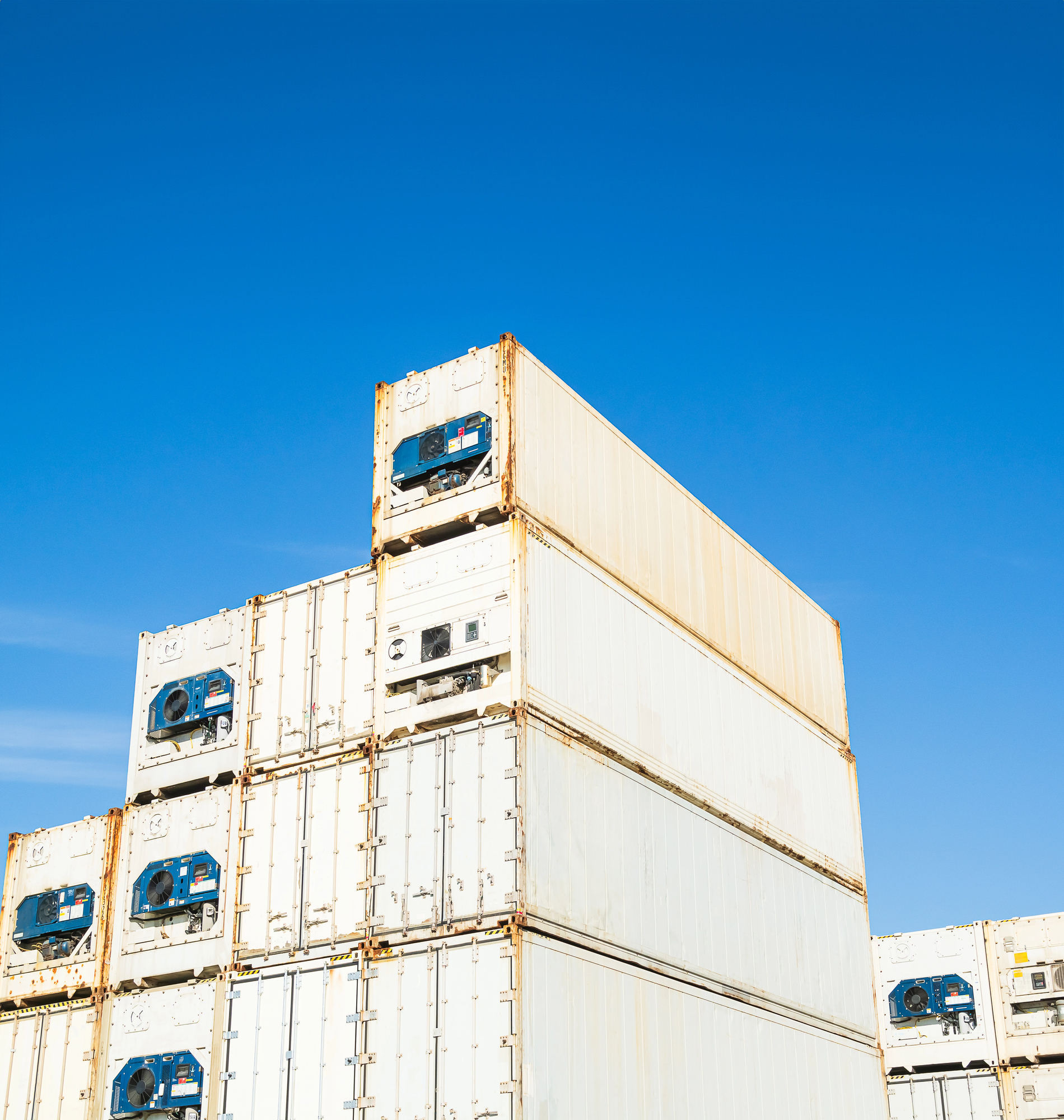
Shore power allows a refrigerated container to plug into an external electrical source while it is staged or stored. Instead of relying solely on a portable generator, the reefer unit can remain powered while the container waits for delivery, transloading, or the next transportation move.
Reefer shore power is an electrical connection used to keep the refrigeration unit on a refrigerated container operating while the container is stationary.
A reefer container has its own refrigeration system, but that system needs electricity. While the container is aboard a vessel or connected to certain transportation equipment, power may be supplied as part of that setup.
Once the container is moved to a storage yard, it needs another power source.
A facility equipped for shore power reefer storage can plug the container into its electrical infrastructure so the refrigeration system continues maintaining the required temperature. America 1 Logistics provides shore-power connections and monitoring for refrigerated containers at its storage facilities.
The simplest answer is whenever the reefer needs to remain stationary for an extended period while its refrigeration unit continues operating.
One common example happens when a container arrives before the customer is ready to receive it.
The importer may need to pull the container from the port to avoid leaving it at the terminal, but the warehouse may not have an available appointment until the following day or later.
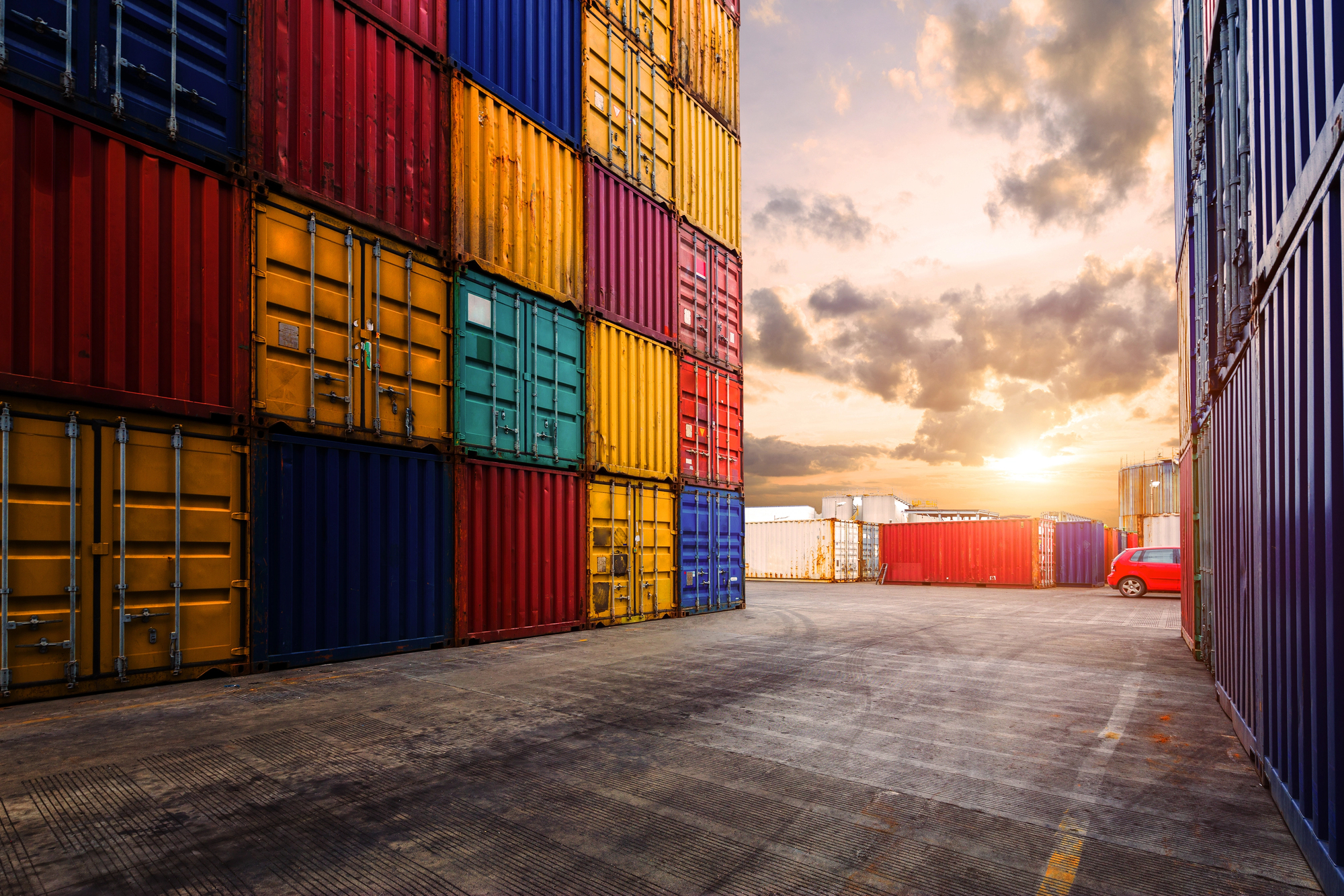
In that situation, moving the reefer to secure container storage with shore power can create a temporary bridge between port pickup and final delivery. America 1 offers short-term staging and longer-term container storage, including powered storage for reefers.
We explored that exact situation in Your Freight Arrived Early. Where Does It Go Until the Customer Is Ready?, including why refrigerated freight requires a storage facility equipped to maintain power while the container waits.
No, and this is an important detail to confirm before moving a refrigerated container.
An open space in a container yard does not automatically mean that facility can support temperature-controlled equipment.
Reefer storage requires electrical connections designed for refrigerated units, along with procedures for monitoring containers while they remain plugged in.
If you know a refrigerated container may need temporary storage, confirm shore-power availability before the container leaves the terminal.
That planning becomes especially important when coordinating reefer container drayage. America 1 handles refrigerated containers as part of its intermodal drayage services and can move reefers from Southeast ports to storage, warehouses, and other destinations.
Cold chain logistics depends on maintaining the appropriate environment as freight moves through each stage of transportation.
The challenge is that cargo does not always move continuously.
A container may be:
Those pauses still count. If refrigeration is interrupted during staging, temperature-sensitive cargo can be exposed to conditions outside its required range.
America 1's guide to how Florida ports support cold chain distribution across the Southeast explains why refrigerated transportation, port access, storage, and inland distribution need to work together rather than functioning as separate pieces of the shipment.
That depends on where the freight needs to go next. The container may continue directly to the receiver through drayage. If the ocean container needs to be returned, the cargo may instead be transferred into domestic refrigerated equipment for inland transportation.
America 1 provides transloading and cross-docking services, allowing freight to move between ocean containers and domestic transportation equipment when that makes more sense for the next leg. Its facilities also support reefer storage with shore power.
For freight traveling farther inland, America 1's over-the-road and long-haul trucking services include 53-foot refrigerated equipment for temperature-controlled shipments moving beyond the port region.
This is why the best plan is usually made before the vessel arrives.
As outlined in What Happens After a Container Leaves JAXPORT?, importers should know whether a container will move directly to its destination, enter temporary storage, be transloaded, or continue by another transportation mode before port pickup occurs.
Reefer shore power is essentially the safety net between transportation moves.
If a refrigerated container cannot move directly from the port to its final destination, powered storage gives importers another option without interrupting the refrigeration system simply because the freight has to wait.
America 1 Logistics provides reefer drayage, secure storage with shore power, transloading, and refrigerated over-the-road transportation throughout its Southeast network. Planning those steps together can help protect temperature-sensitive freight while giving importers more flexibility when port, warehouse, and delivery schedules do not line up perfectly.
Shore power supplies electricity to the container's refrigeration unit while the container is stationary, allowing it to continue maintaining its required temperature.
Yes, provided the storage facility is equipped to support refrigerated containers and provide the required power and monitoring.
If the refrigeration unit needs to remain operating while the container is stationary, a dependable power source is required. The exact requirements depend on the cargo, container settings, and transportation plan.