Logistics - First Class!
(904) 549-6950

In drayage, everyone talks about container availability, port congestion, and timing, but one essential element often gets overlooked: the chassis.
It may not be the star of the supply chain, but the chassis is the piece of equipment that determines how efficiently, safely, and cost-effectively your container moves. Choosing the right chassis—or the wrong one—can dramatically impact your drayage operation. Here’s why this often-underrated component matters more than most shippers realize.
Fast drayage depends on fast turns, and the chassis plays a major role in how quickly a driver can move through a port or rail terminal.
When chassis equipment is clean, road-ready, and available where and when you need it, it keeps your containers moving. When it’s not, delays stack up quickly.
Poor chassis availability can cause extended wait times, missed appointments, or even the need to switch equipment mid-operation. A reliable chassis solution reduces downtime, lowers crane fee exposure, and helps your drayage stay predictable in environments known for unpredictability.
Not all chassis are created equal. Older or poorly maintained equipment can lead to breakdowns, safety hazards, and violations during roadside inspections.
Issues such as worn tires, faulty lights, and broken locking mechanisms not only slow your shipment but also expose carriers and shippers to added risk.
A well-maintained chassis ensures your freight moves safely across the road and helps your drayage provider maintain compliance with state and federal regulations. Better equipment means fewer surprises—and fewer costly repairs or delays along the way.
Chassis shortages and fees have become a major factor in today’s drayage market. Depending on the port, some areas rely on a common pool, while others require private chassis or specific leasing programs.
The right chassis strategy can help you avoid per-diem charges, excessive daily rentals, or mileage-based fees that add up quickly. Shippers who plan ahead often save significantly by securing chassis availability during peak seasons rather than relying on last-minute access. Predictability in chassis planning translates to predictability in cost.
The type of freight you’re moving affects the kind of chassis you need.
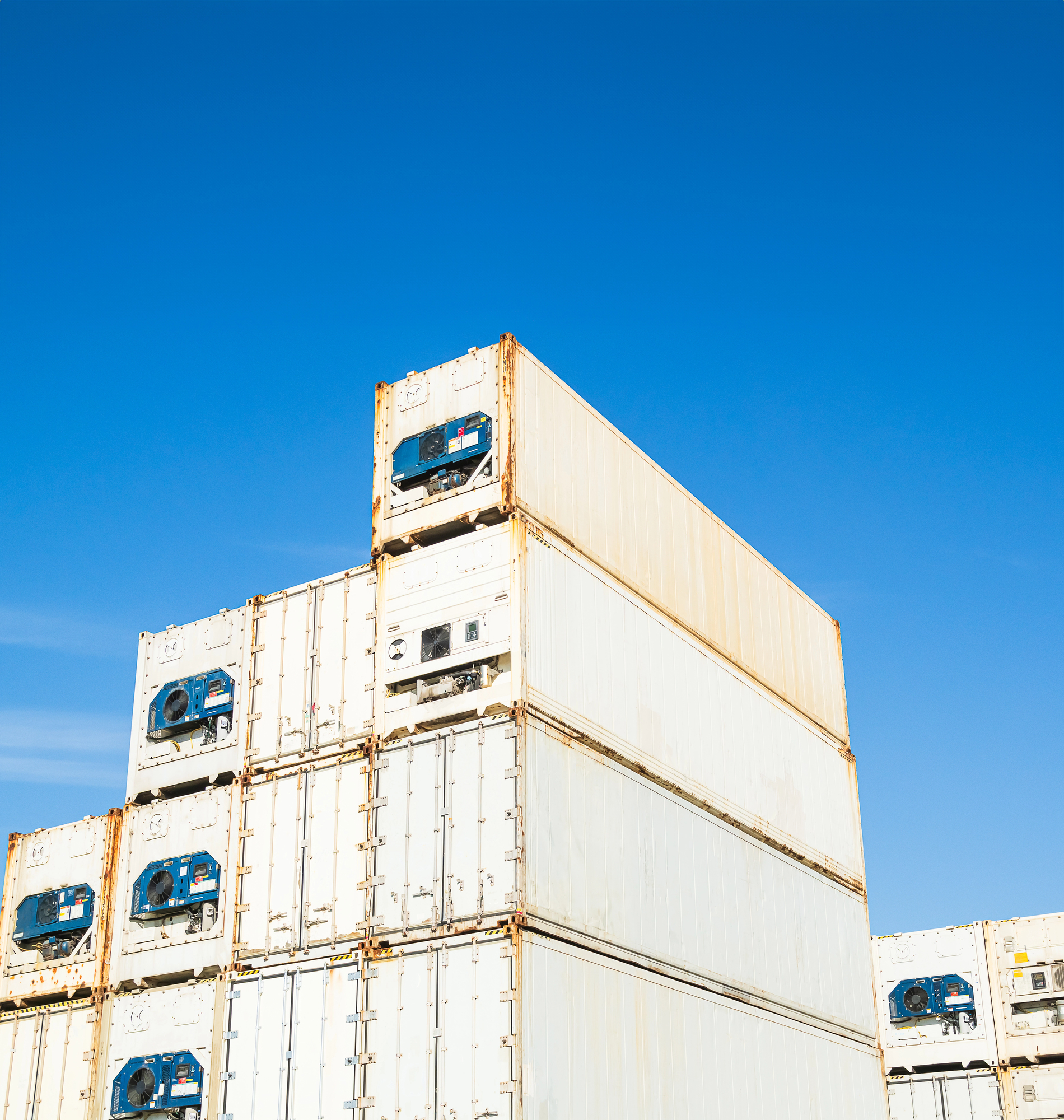
Standard 20- and 40-foot containers may work with commonly used equipment, but specialized moves require the right chassis setup, such as tri-axle, heavy-haul, or refrigerated container chassis.
Using the wrong type can limit capacity or violate weight restrictions. Using the right type ensures safe loading, protects your cargo, and helps your drayage provider avoid overweight fees or road compliance issues. Matching the chassis to your freight is a small decision that makes a big operational difference.
The chassis is one of the earliest touchpoints in the drayage process, and when it goes wrong, everything downstream is disrupted. The right equipment improves turn times, reduces driver wait time, minimizes port fees, and keeps freight on schedule.
It creates a chain reaction: better chassis availability leads to better drayage performance, which leads to better warehouse scheduling, better outbound planning, and more predictable delivery for customers.
At America 1 Logistics, we understand how essential chassis strategy is to Jax drayage success. From coordinating equipment availability to supporting specialized moves, our team ensures your containers get the right foundation from the start. Get in touch today for a free quote on chassis services in Jacksonville.