Logistics - First Class!
(904) 549-6950

Drayage may seem like just one step in a much larger supply chain, but for shippers, importers, and distribution networks, the type of drayage service you use can have a major impact on cost, timing, and overall efficiency.
Two of the most common forms, port drayage and rail drayage, play different but equally critical roles in moving freight from point A to point B. Understanding the difference helps you choose the path that supports your timeline, budget, and operational goals. Here’s a clear breakdown of how these services work and why choosing the right one matters.
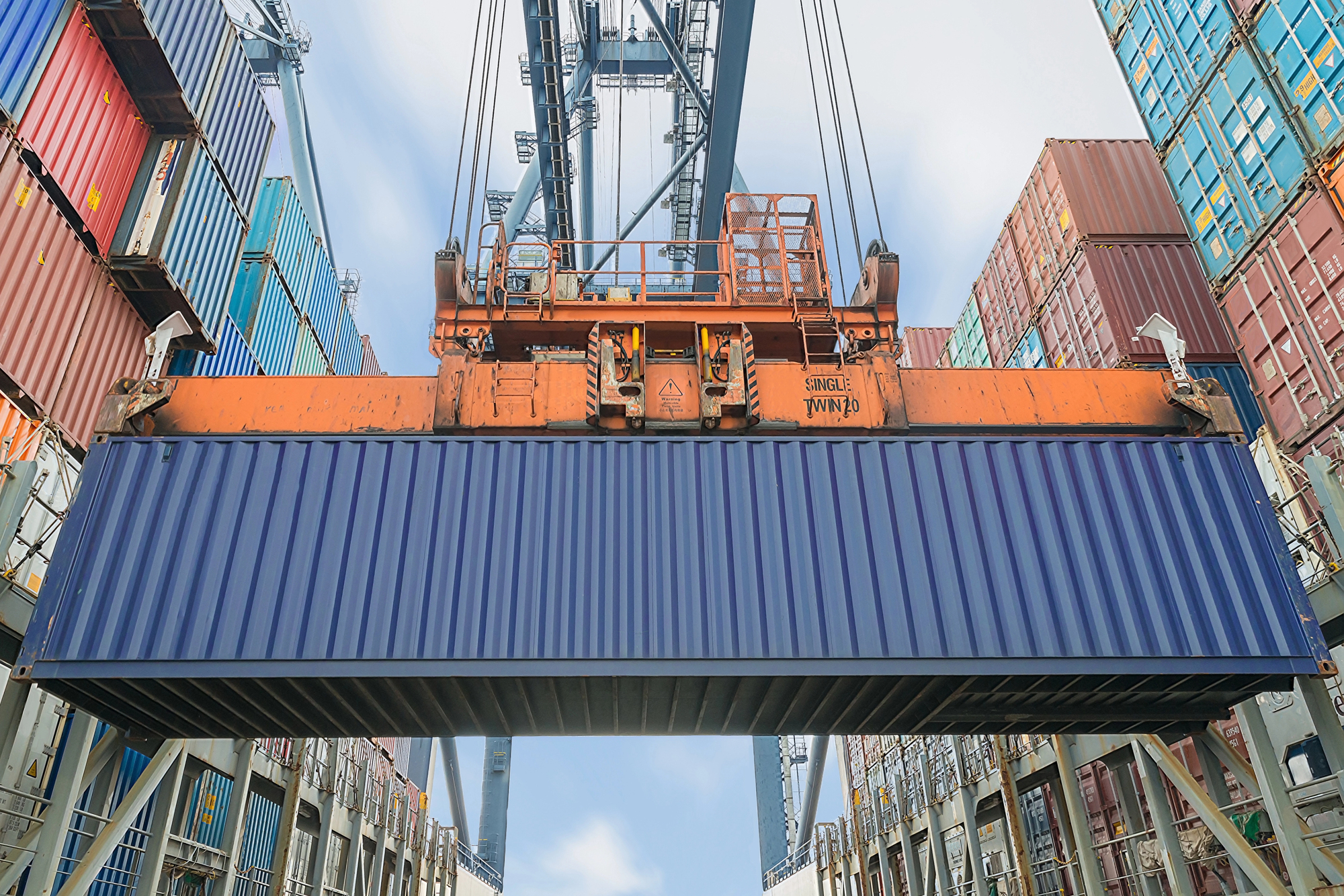
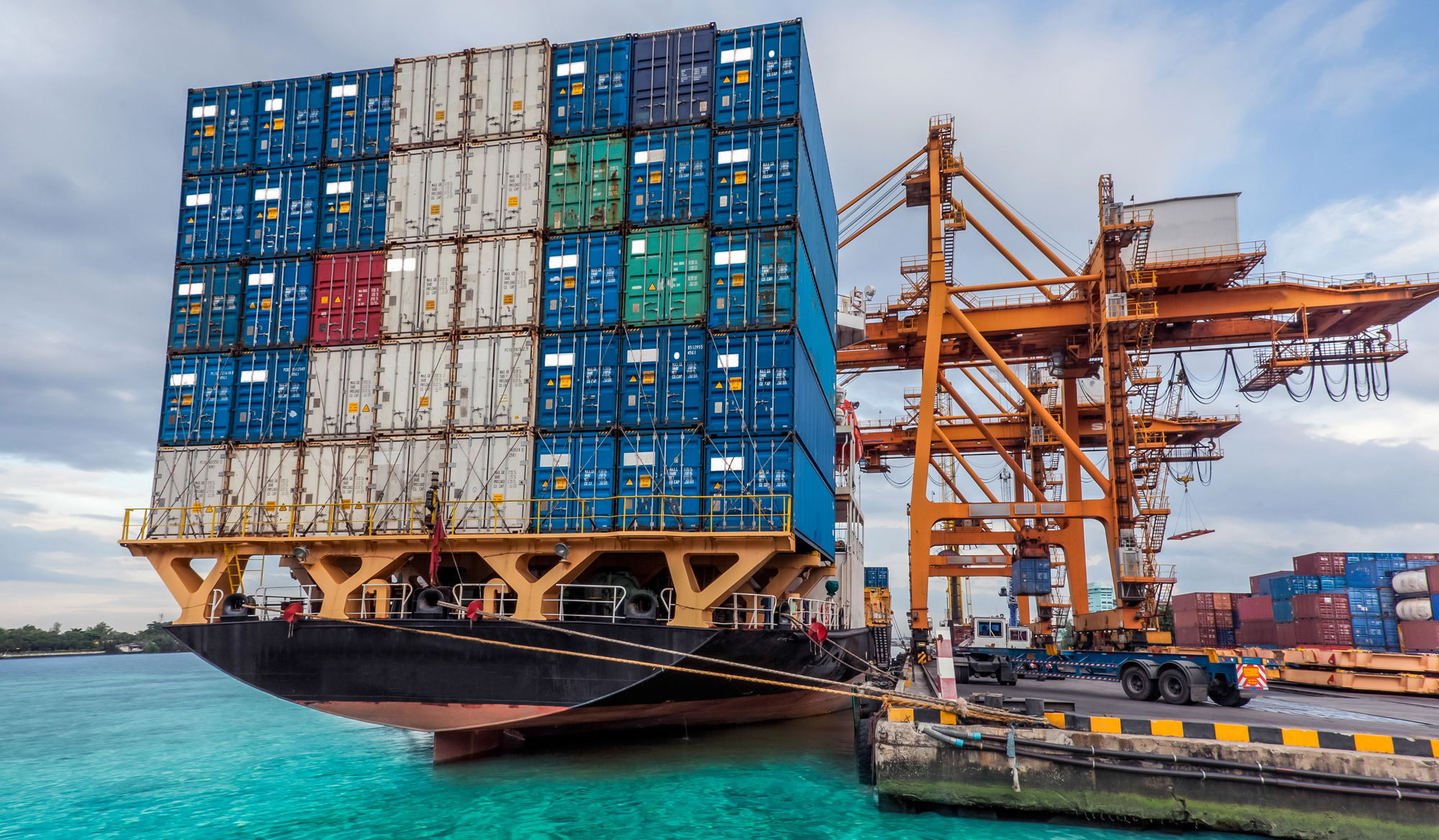
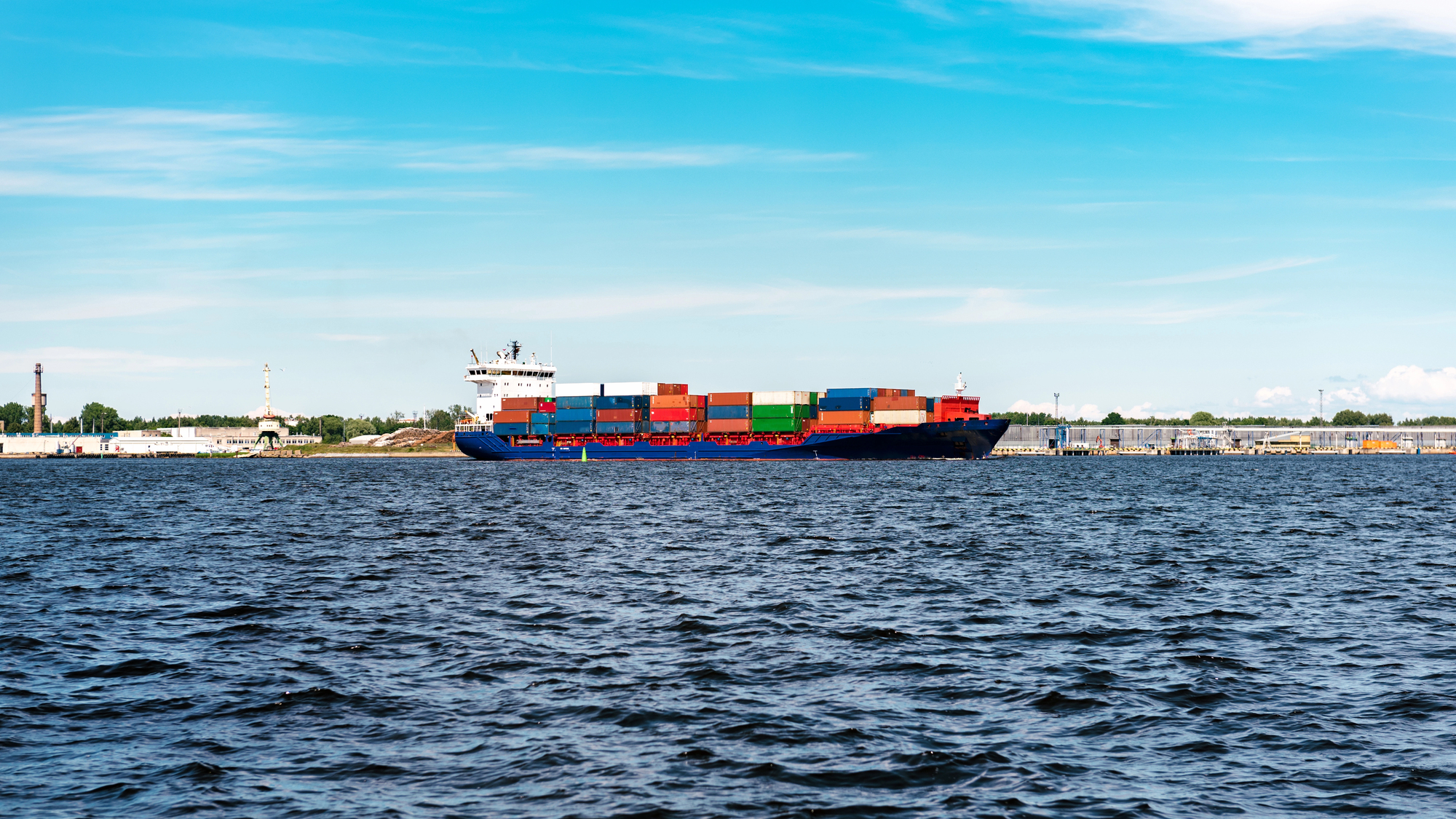
Port drayage refers to the short-distance transport of shipping containers from an ocean port to their next destination, whether that's a warehouse, distribution center, transload facility, or rail yard.
These moves are typically fast-paced and time-sensitive due to port congestion, free-time limits, demurrage costs, and vessel schedules. Port drayage is the first step in moving international freight inland, making it a vital link between global shipping lanes and domestic supply chains.
Because ports operate on strict timelines, efficient port drayage helps prevent costly delays. Quick container turns, equipment availability, chassis access, and the ability to handle last-minute changes all play a role in keeping freight flowing smoothly.
Companies that rely on port drayage often prioritize reliability, appointment management, and strong communication from their drayage provider.
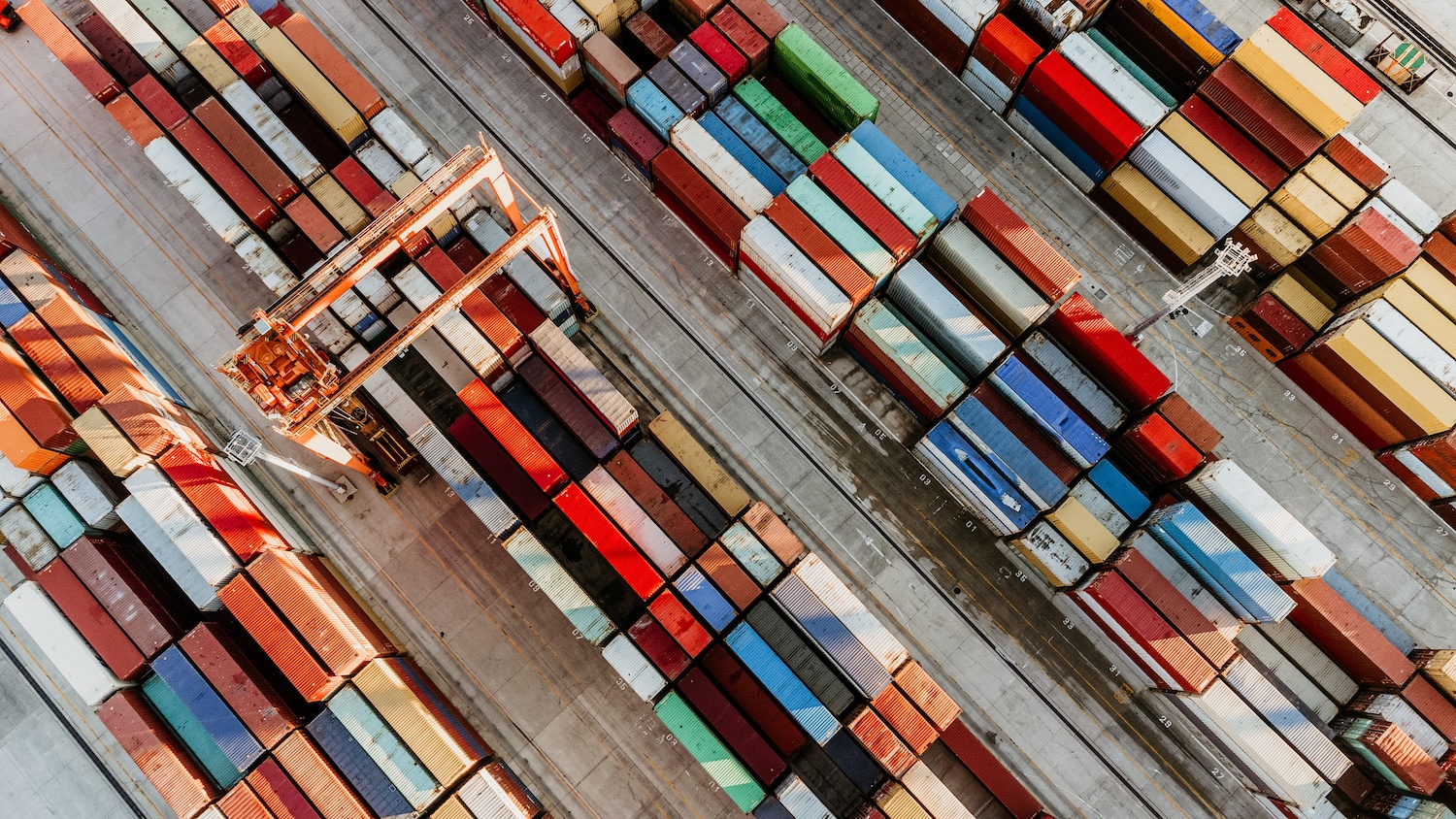
Rail drayage involves moving containers to and from rail terminals rather than ocean ports. These moves support intermodal shipping, where freight travels long distances by rail and then completes the final leg by truck.
Rail drayage is typically more predictable than port drayage because rail facilities operate with more structured schedules, fewer congestion issues, and standardized processes.
Shippers often choose rail drayage when cost-efficiency is a priority. Rail transport can significantly reduce long-haul trucking expenses, fuel costs, and environmental impact.
Once containers reach the ramp, drayage carriers handle the local delivery, connecting long-haul efficiency with last-mile service.
While both types of drayage involve short-distance container moves, their workflows and challenges can be very different.
For shippers, the choice often comes down to cost, timing, and geographic strategy. Port drayage is essential for ocean freight, while rail drayage helps extend the supply chain inland more efficiently and affordably.
No matter which type of drayage your freight requires, working with the right logistics provider makes all the difference. Drayage in Jacksonville demands fast communication, accurate tracking, dependable scheduling, and the ability to pivot when operations shift.
A strong drayage partner helps reduce dwell time, avoid unnecessary charges, streamline container movement, and improve overall supply chain performance.
At America 1 Logistics, we support customers through every step of the drayage process, whether your containers move through the port, the rail, or both. Learn more about our drayage services- request your free quote today.