Logistics - First Class!
(904) 549-6950
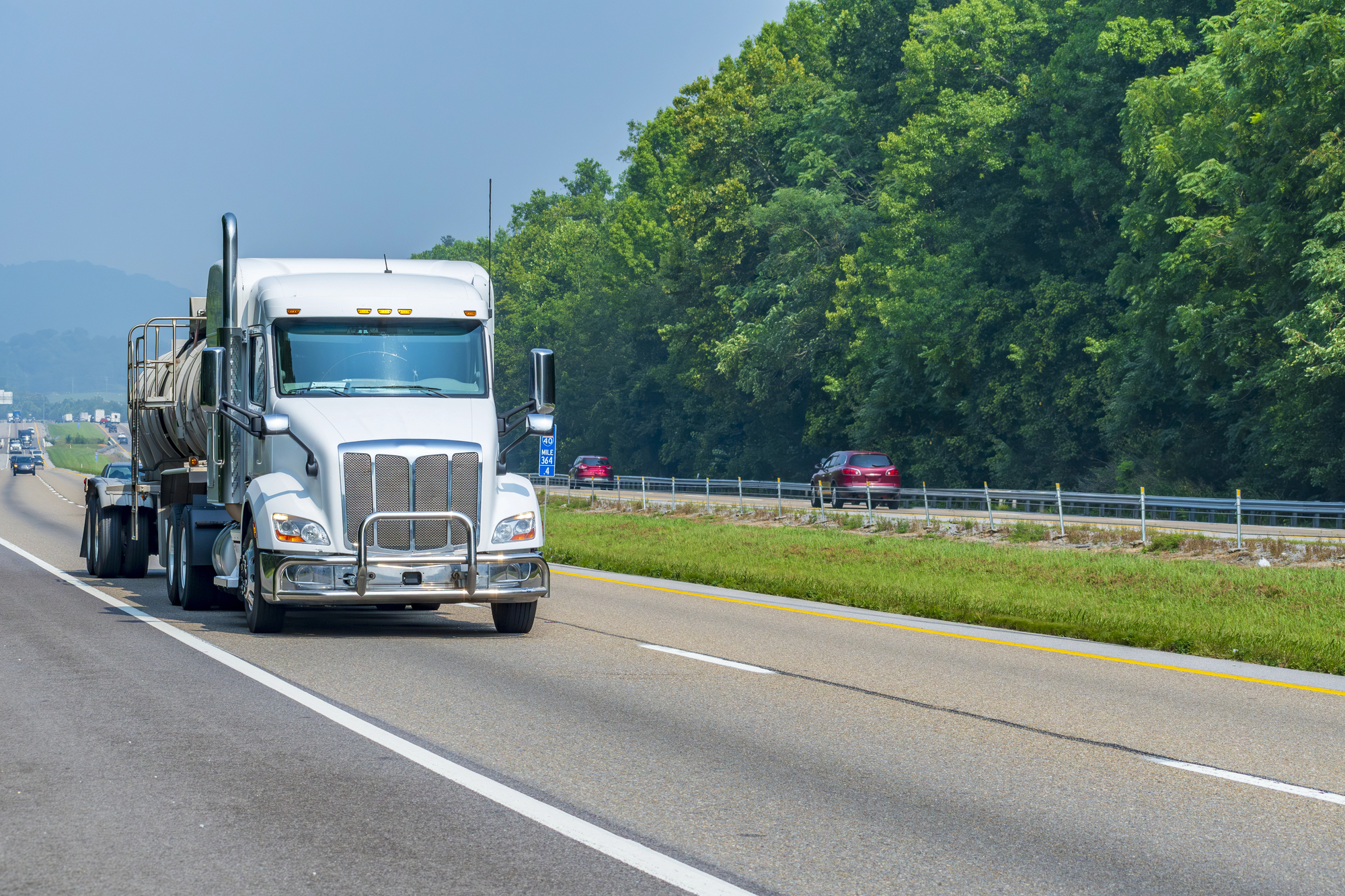
Peak season always puts added pressure on the supply chain, and drayage is often the first place those challenges appear.
With higher container volumes, tighter appointment windows, chassis shortages, and increased congestion at ports and rail ramps, staying proactive is the key to keeping freight moving on schedule.
The good news? With the right preparation and the right drayage partner, shippers can navigate peak season with fewer delays and more control. Here are practical strategies to help you stay ahead during the busiest times of the year.
During peak season, containers move fast—and so do free time clocks. The best way to avoid demurrage and detention fees is to plan container pickups early.
As soon as you receive arrival notices, coordinate delivery windows with your drayage provider and review port or rail appointment availability. Early planning helps secure time slots before they fill up, allowing drivers to move in and out of terminals as efficiently as possible.
When volumes increase, visibility becomes essential. Real-time tracking helps you monitor container availability, gate times, and potential delays at ports and rail yards.
With the right visibility tools, you can make quicker decisions, redirect schedules when necessary, and prevent bottlenecks from stacking up. A drayage partner who communicates consistently and provides accurate status updates makes a significant difference during peak congestion.
Peak season often brings one of the biggest challenges in drayage: limited chassis availability.
Without the right equipment, even the most organized pickup plan can fall apart. Work with your drayage provider to identify chassis options early, especially if your volumes spike during peak months.
Whether you rely on a port pool, private pool, or dedicated equipment, having a plan in place reduces costly wait times and keeps drivers moving.
Smooth drayage during peak season requires coordination on both ends. Make sure your warehouse has the labor and space available when containers arrive, especially for live unloads.
When warehouse delays happen, they affect drayage timing, create detention fees, and limit the number of containers a driver can move in a day. Aligning schedules helps create a seamless flow between terminal pickup and warehouse delivery.
Some ports and ramps offer extended or off-peak hours during busy seasons. Taking advantage of these windows can help reduce wait times, avoid long gate lines, and improve the overall efficiency of your moves.
Your drayage provider can help you determine which locations offer extended access and how to adjust your schedule to take advantage of lower congestion periods.
If your freight is moving inland, incorporating rail into your transportation strategy may help reduce long-haul trucking costs and avoid road congestion.
During peak season, intermodal shipping can be a smart way to bypass highway delays while still keeping freight on schedule. Rail drayage at both ends can streamline the process and help stabilize your costs.
Weather, vessel delays, labor shortages, and equipment constraints can all affect timing. Staying flexible and maintaining open communication with your drayage partner gives you the ability to adapt quickly and make decisions that keep your freight moving.
The more proactive and transparent the communication, the easier it becomes to navigate unexpected challenges.
During peak season, experience matters. A knowledgeable drayage partner helps you anticipate challenges, minimize fees, and move containers efficiently even when ports and rail yards are at their busiest.
At America 1 Logistics, we help shippers stay ahead during peak season by providing clear visibility, fast scheduling, and dependable drayage solutions that keep freight flowing—even when capacity tightens. Give us a call to get a free quote on the best drayage services in Jacksonville.