Logistics - First Class!
(904) 549-6950
Modern supply chains rarely rely on a single mode of transportation. Instead, businesses combine trucking, rail, ocean, and sometimes air to move freight efficiently across regions and distances.
While this multi-modal approach offers flexibility and cost savings, it also introduces complexity. The key to success lies in optimizing your shipping strategy so every mode works together seamlessly.
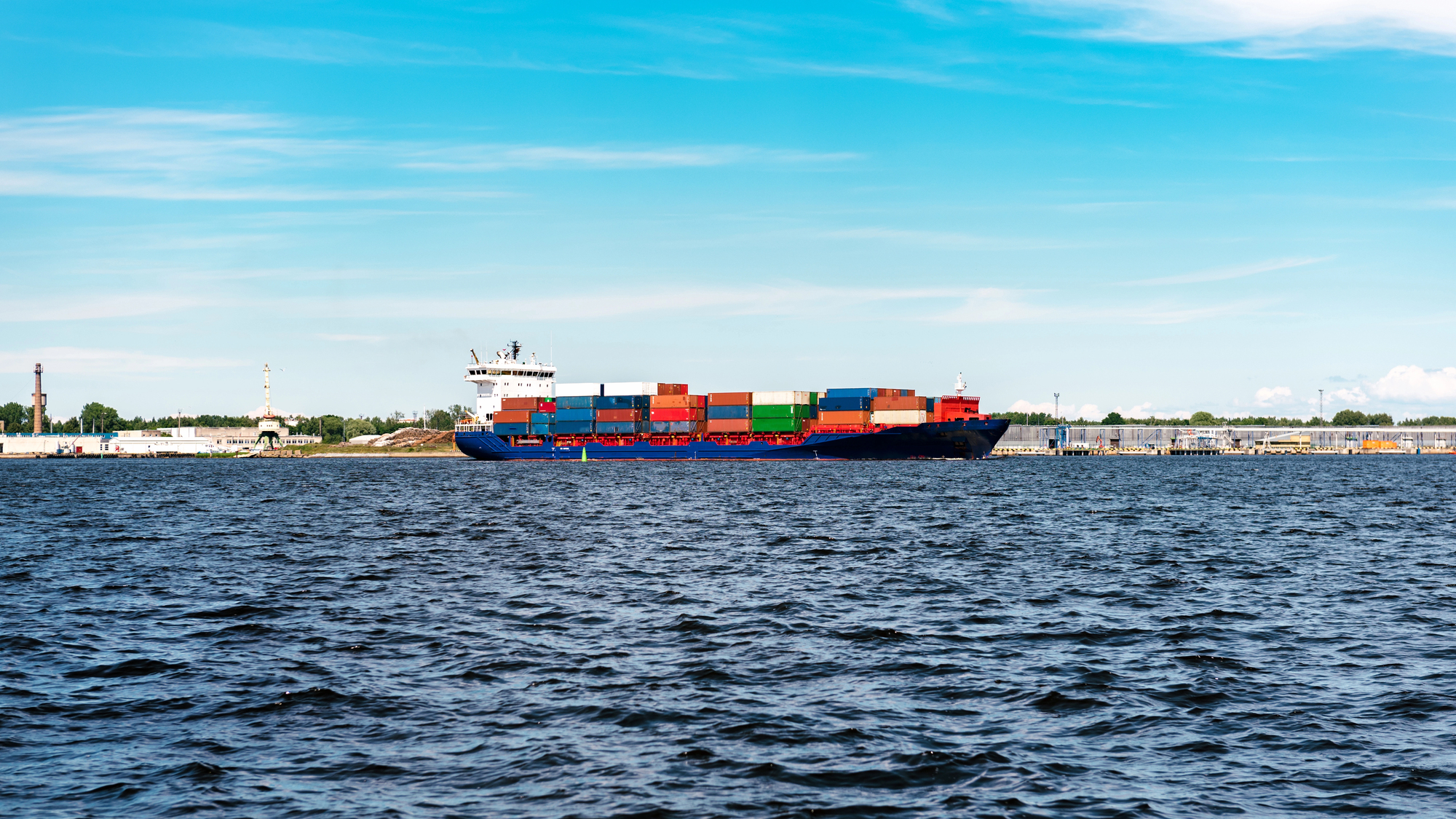
Multi-modal shipping involves using two or more modes of transportation to move freight from origin to destination. For example, a shipment may arrive by ocean at JAXPORT, move via drayage to a rail yard, and then continue by truck to its final destination.
This approach allows businesses to balance cost, speed, and capacity—but only when it’s managed effectively.
Not every shipment has the same priority. Some require speed, while others are more cost-sensitive. Optimizing your strategy starts with aligning each mode of transportation with your specific goals.
For example:
By understanding the strengths of each mode, you can create a more efficient and cost-effective shipping plan.
One of the biggest challenges in multi-modal logistics is coordination. Delays often occur during transitions—when freight moves from one mode to another.
Working with a provider like America 1 Logistics helps streamline these transitions. With integrated services that include drayage, transloading, and long-haul trucking, they ensure that freight moves smoothly between each stage of the journey.
Transloading and cross-docking play a key role in optimizing multi-modal shipping. These services allow freight to be transferred between modes quickly, reducing storage time and improving efficiency.
For example, containers arriving at JAXPORT can be transloaded into domestic trailers for faster inland distribution. Cross-docking can further streamline the process by eliminating unnecessary warehousing.
With multiple modes involved, visibility becomes critical. Real-time tracking and clear communication help you monitor shipments, anticipate delays, and make adjustments as needed.
A logistics partner that provides consistent updates and transparency across all stages of the journey can significantly improve your overall supply chain performance.
Multi-modal shipping is often used to reduce costs—but poor coordination can lead to the opposite. Delays, extra handling, and inefficient routing can quickly increase expenses.
By optimizing routes, minimizing dwell time, and choosing the right combination of modes, businesses can achieve both cost savings and improved service levels.
Optimizing a multi-modal shipping strategy requires experience, planning, and the right infrastructure. America 1 Logistics brings all of these elements together, offering integrated solutions that simplify complex supply chains.
If you’re looking to improve efficiency, reduce costs, and gain better control over your freight, contact America 1 Logistics today. Their team can help you build a smarter, more streamlined shipping strategy that works across every mode.